Florida Sunset Timing for Wedding Photos: Your Scheduling Guide
Updated: Oct 9
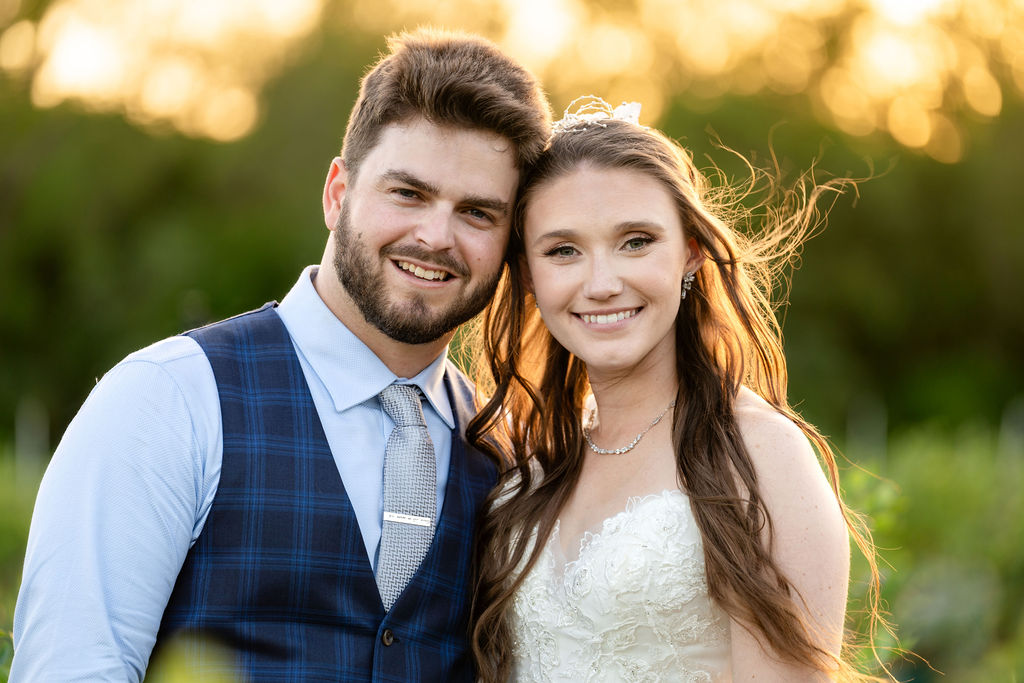
Schedule your couple portraits to begin 30–45 minutes before the official sunset time, and plan for 20–30 minutes of shooting during that peak golden-hour window. If you want blue-hour frames too, keep shooting for 10–20 minutes after the sun drops below the horizon. Those two windows together give you warm, glowing portraits AND moody, saturated sky shots, typically covering about 40–50 minutes total without eating more than an hour of your reception timeline.
To get the exact times for your date and venue, check Timeanddate.com for sunset and civil twilight, then cross-reference with the NOAA / US Naval Observatory for precise twilight definitions. Both are free and take about two minutes to use.
Lock the window with these four steps:
Look up your venue’s official sunset time on your wedding date using Timeanddate.com or NOAA
Mark a portrait start time 30–45 minutes before that sunset
Block a 10–15 minute vendor buffer before portraits begin (notify your coordinator and DJ)
Add 10–20 minutes after sunset if you want blue-hour frames, and confirm your photographer is set up for it
A 15-minute dedicated golden-hour session during peak light consistently outperforms a longer block in flat midday light. Protect that short window and it will show in every frame.
Table of Contents
What does Florida sunset timing look like by season and region?
Three sample timelines you can paste into your vendor contracts
Practical tips for getting the best golden-hour and blue-hour shots
How weather, beach orientation, and tides affect your usable window
Why the golden hour is the one thing worth fighting for on your timeline
Pixelgroves covers golden hour from the first frame to the last blue-hour shot
What does Florida sunset timing look like by season and region?
Florida’s sunset times shift significantly between winter and summer, with additional variance depending on latitude. A couple marrying in Pensacola in December sees sunset in the late afternoon, while a couple in Key West that same month experiences sunset somewhat later in the afternoon. In summer, sunset times are generally in the later evening hours statewide.
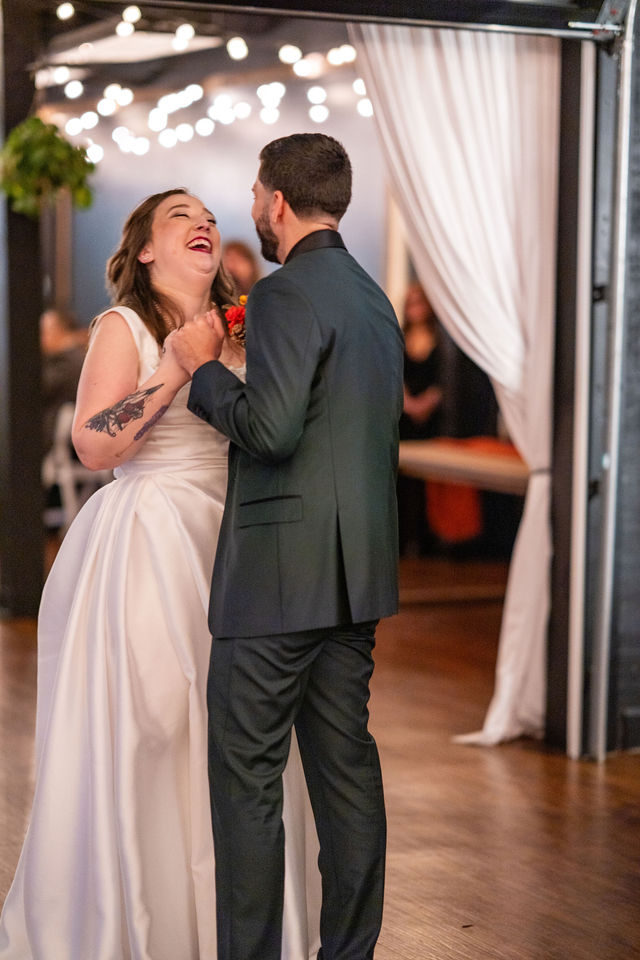
Daylight saving time (second Sunday in March) shifts sunset about an hour later overnight, which is the largest scheduling change of the year. Venues on the Gulf Coast have sunsets directly over the water at places like Siesta Key, Clearwater, Anna Maria Island, Fort Myers, and Naples. Gulf Coast beaches face west, giving you that classic unobstructed horizon shot. Atlantic-coast beaches like Cocoa Beach and Fort Lauderdale face east, so evening light comes from behind the photographer rather than in front — better for sunrise ceremonies, not sunset ones.
Season | Typical sunset range | Regional note |
Winter (Dec–Feb) sunset times vary across Florida, being earliest in north Florida and latest in the Keys; Gulf coast locations are preferred for over-water sunset views. | ||
Spring (Mar–May) sunset times move later in the evening, with the daylight saving time shift in March adding about an hour; the panhandle area experiences later light. | ||
Summer (Jun–Aug) features the latest sunsets statewide, coinciding with peak heat and storm risk. | ||
Fall (Sep–Nov) sees a rapid shortening of sunset times after daylight saving time ends in November; this period also marks the start of the dry season. |
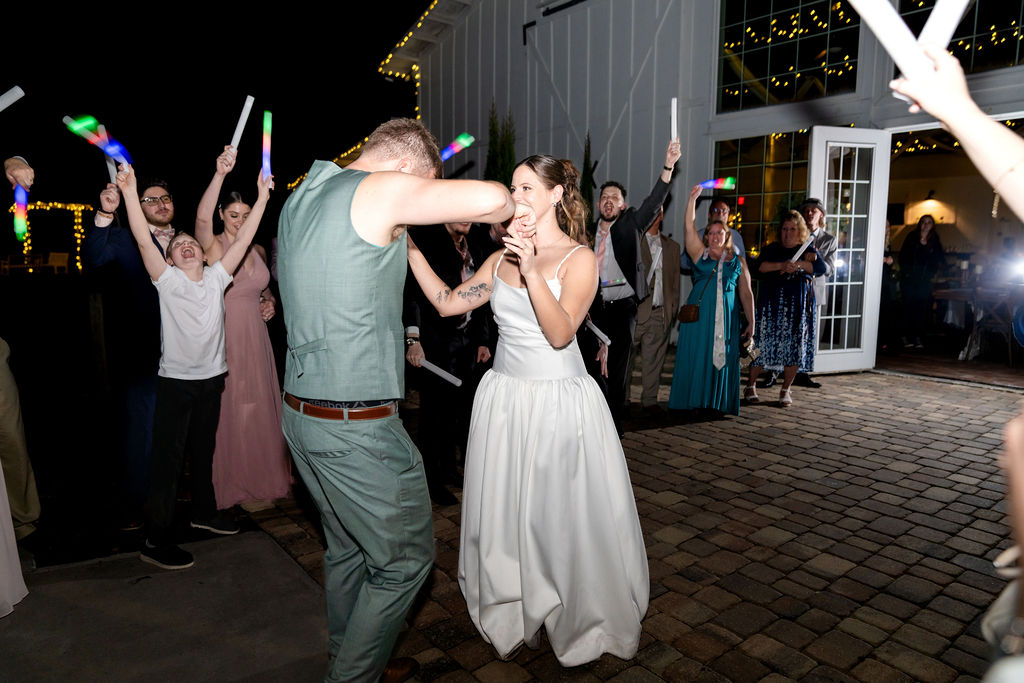
Always confirm the specific date. These ranges are starting points, not substitutes for a date-specific lookup.
Golden hour vs. blue hour: which one do you actually want?
Golden hour spans roughly 60 minutes before sunset, but the peak warm light that makes portraits glow is concentrated in the final 20–30 minutes of that window. Skin tones go warm and honeyed, shadows go soft, and the light wraps around faces in a way that no artificial setup can replicate. It is technically forgiving — your photographer can work fast, keep poses natural, and still get frames that look like they took an hour to set up.
Blue hour is the 10–20 minutes after official sunset, when the sky shifts from orange to a deep, saturated indigo. Blue hour often produces the most cinematic and intimate photos of the entire day. The tradeoff is technical: longer exposures, a tripod, and often off-camera flash are required. Blue-hour shots demand different technique — many photographers only add them when a couple specifically requests them, because the gear setup takes a few minutes to switch over.
What each window gives you:
Golden hour: Warm skin tones, soft directional light, easy movement-based poses, no flash needed
Blue hour: Deep saturated sky, dramatic contrast, requires flash or tripod, fewer frames but striking results
Both together: A 40–50 minute total window that covers two completely different moods
Cloud cover changes the math. A thin overcast sky softens golden-hour light into something flattering but removes the warm tones entirely. Horizon obstructions like tree lines or buildings to the west can cut your usable golden-hour window by 10–15 minutes before official sunset even arrives.
Pro Tip: Plan for golden hour first, then decide on-site whether blue hour is worth the setup. If the sky is putting on a show after sunset, your photographer can pivot quickly. If it goes flat, you haven’t lost anything.
How to calculate the exact golden-hour start for your venue
Generic seasonal ranges get you in the ballpark. For your actual timeline, you need the exact minute.
Get your venue’s coordinates. Pull them from Google Maps by right-clicking the venue pin. You need latitude and longitude, not just the address.
Enter them into Timeanddate.com. Use the Sun & Moon calculator, enter your wedding date, and read the listed sunset time and civil twilight end. Civil twilight end marks the practical end of blue hour.
Cross-check with NOAA / US Naval Observatory. Their complete sun and moon data tool gives you nautical and astronomical twilight too, which matters if you want to understand exactly how dark it gets and when.
Subtract 30–45 minutes from sunset to find your portrait start. Note civil twilight end for blue-hour planning.
Add venue-specific adjustments. A tree line or building to the west can block direct sun 10–15 minutes before official sunset. Scouting the venue and checking horizon obstructions is the step most couples skip — and the one that causes the most timeline surprises.
Bookmark Timeanddate.com and the NOAA tool. Both are free, accurate to the minute, and work for any Florida zip code or coordinate.
Scheduling scenarios: what time should your ceremony start?
The right ceremony start time depends entirely on your format. Start with golden hour and work backward to set everything else.
Traditional ceremony, no first look
Ceremony starts 60–90 minutes before sunset. After vows and a brief receiving line, you have 20–30 minutes for family formals, then portraits land squarely in peak golden light. Alert your DJ to hold music until portraits wrap.
With a first look earlier in the day
Schedule the first look 3–4 hours before sunset in open shade. Family formals follow immediately. This clears the entire golden-hour window for intimate couple portraits only, which is the most efficient use of that light. See first-look timing ideas for placement options that work with Florida’s afternoon heat.
Micro-wedding or elopement
A 20-minute ceremony starting 30–45 minutes before sunset can align your vows directly with peak light. No cocktail hour buffer needed. Portraits happen immediately after, and you’re done before blue hour even begins.
Rooftop or urban venue
Add a 10–15 minute buffer for elevator time and guest movement. Skyline obstructions vary wildly — a building to the southwest can block the sun 20 minutes early. Scout the roof at the same time of day, ideally on a date close to your wedding date.
For all scenarios: notify your coordinator, DJ, and caterer of the portrait start time in writing, not just verbally. A dinner hold of 20–30 minutes is standard and rarely upsets guests when it’s communicated in advance.
Three sample timelines you can paste into your vendor contracts
Build these around your actual sunset time. The offsets below use “S” for sunset.
Time offset | 4-hour micro-wedding | — | — |
S – 90 min | Ceremony begins | Ceremony begins | First look + family formals |
S – 60 min | Ceremony ends | Ceremony ends | Cocktail hour begins |
S – 45 min | Family formals | Cocktail hour | Cocktail hour |
S – 30 min | Couple portraits begin | Couple portraits begin | Couple portraits begin |
S | Peak golden light | Peak golden light | Peak golden light |
S + 15 min | Reception begins | Blue-hour frames (optional) | Blue-hour frames |
S + 20 min | — | Reception / dinner | Reception / dinner |
For sunset wedding portrait tips on posing and prep during these windows, Pixelgroves has a dedicated guide worth reading before your timeline is finalized.
Practical tips for getting the best golden-hour and blue-hour shots
Posing and direction:
Face toward the sun or at a 45-degree angle to it for warm skin tones; direct backlight creates a beautiful rim-light effect when paired with a fill flash or reflector
Keep movement natural — walking, laughing, a slow spin — so the photographer can capture emotion quickly rather than spending time on static setups
Pre-select two or three locations in advance so no time is lost scouting during the window
Technical notes your photographer will use:
Wide apertures (f/1.4–f/2.8) for soft bokeh during golden hour
Bracketed exposures to protect highlights in the bright sky
Tripod and longer exposures (1/30s–1/2s) for blue-hour frames; off-camera flash fills the couple against the dark sky
Time management on the day:
Assign one person (coordinator or second shooter) as the dedicated time cue — their only job during portraits is watching the clock
Scout the exact spot the morning of the wedding or the day before; Florida outdoor wedding lighting changes dramatically by season and time of day
Bring a small locator light if walking paths to the portrait spot are dim at blue hour
Pro Tip: Veils, sparklers, and crystal prism decor all interact beautifully with low-angle golden light. A veil backlit at golden hour creates a halo effect that’s nearly impossible to replicate in a studio. Tell your photographer in advance if you plan to use any of these.
How weather, beach orientation, and tides affect your usable window
Tides matter more than most couples realize. Low tide on a Gulf Coast beach gives you a wider, flatter shoreline with better foreground reflections. Cross-check your sunset time with a local tide chart — NOAA’s tide prediction tool covers every Florida coastal station. Aim for low tide within two hours of sunset when possible.
Post-storm skies in Florida frequently produce the most dramatic sunset colors: layered clouds, intense oranges, and deep purples that a clear sky simply can’t match. If your forecast shows afternoon storms clearing by 5:00 PM, that’s often a sign of a spectacular evening. Build schedule flexibility around forecasted clearing rather than canceling plans at the first sign of clouds.
Dry season (November through February) typically delivers crisper, more predictable sunsets. Summer brings later light but also afternoon thunderstorms that can delay outdoor ceremonies by 30–60 minutes. Always have a covered backup location identified, and make sure your wedding planning accounts for a weather contingency in the vendor timeline.
Overcast days aren’t a loss. Diffused light is flattering and eliminates harsh shadows, though it removes the warm golden tones. Window-lit portraits inside the venue or under a covered terrace can be stunning in those conditions.
How to protect your golden-hour slot with vendor contracts
A verbal agreement that “portraits happen around sunset” is not protection. Here’s what actually works.
Vendor coordination checklist:
Confirm a fixed portrait start time (to the minute) in every vendor contract
Include a 10–15 minute buffer before portraits begin for transitions
Specify photographer access to the portrait location (no locked gates, no setup blocking the path)
Assign the coordinator and DJ specific cue responsibilities (DJ holds music; coordinator escorts couple)
Confirm transportation logistics if the portrait spot requires a golf cart or short drive
Sample contract language to add:
“Couple portrait session shall begin no later than [TIME], approximately 30–45 minutes before official sunset. Vendor-induced delays that reduce this window by more than 10 minutes will result in [overtime fee / extended coverage at no charge, per agreement].”
Run a vendor timeline meeting 2–4 weeks before the wedding. Share the exact sunset time, golden-hour start, and civil twilight end in writing. Include these times on the day-of call sheet distributed to every vendor. When everyone has the same number on paper, the window stays protected.
How Pixelgroves approaches golden-hour planning
Pixelgroves holds the 2025 Best of Florida Wedding Photographer Award and publishes detailed Florida outdoor wedding lighting guides to help couples plan before they even book. The team’s approach keeps portrait breaks short and discreet — typically 20–30 minutes for golden hour, or 40–50 minutes if blue hour is added — so guests barely notice the couple has stepped away.
Key Takeaways
Florida golden-hour portraits require a portrait start 30–45 minutes before official sunset, a protected vendor buffer, and a date-specific time lookup from Timeanddate.com or NOAA.
Point | Details |
Portrait start window | Begin couple portraits 30–45 minutes before official sunset for peak golden light. |
Blue-hour add-on | Shoot 10–20 minutes after sunset for saturated, cinematic sky frames if your photographer is set up for it. |
Seasonal range | Florida sunsets range from roughly 5:15 PM in winter to 8:30 PM in summer depending on latitude. |
Protect the slot | Add fixed portrait start times and a 10–15 minute buffer to every vendor contract. |
Pixelgroves planning | Pixelgroves scouts venues, cross-checks twilight times, and manages the clock so couples never lose their golden-hour window. |
Why the golden hour is the one thing worth fighting for on your timeline
Most couples spend months choosing florals and five minutes thinking about light. That’s backwards. The difference between a wedding album that stops people mid-scroll and one that looks like every other wedding album usually comes down to whether the couple portraits happened in golden light or in flat afternoon shade.
Blue hour is the part nobody talks about enough. The 10–20 minutes after sunset, when the sky goes deep indigo and the venue lights start to glow, can produce the single most striking image of the entire day. It requires a photographer who planned for it, not one who’s already packing up. That’s the gap between a good photographer and a great one.
The other thing worth saying: a 20-minute golden-hour portrait session, done well, beats a 90-minute midday session every time. Don’t let anyone talk you into skipping it because the timeline feels tight. Protect those 20 minutes the same way you’d protect the ceremony itself.
Pixelgroves covers golden hour from the first frame to the last blue-hour shot
Golden-hour coverage isn’t a bonus at Pixelgroves. It’s built into every package from the start. The team handles venue scouting, sunset time calculations, and day-of timeline coordination so you’re not managing a spreadsheet on your wedding day. Whether you’re planning an intimate beach elopement on the Gulf Coast or a full-day celebration at a rooftop venue, Pixelgroves tailors the portrait schedule around your exact sunset window.
[
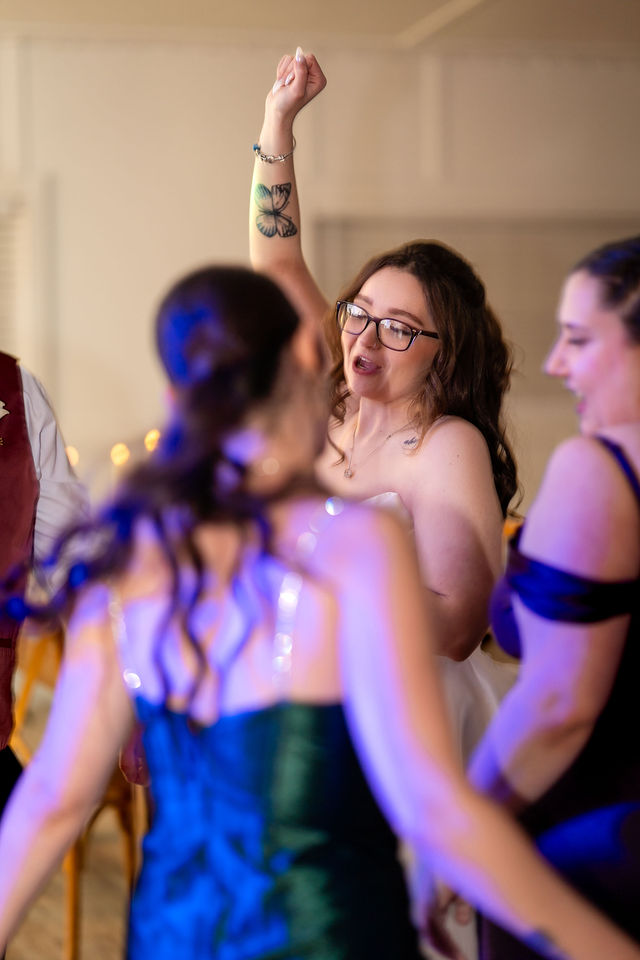
Every couple gets a pre-wedding timeline consultation that includes golden-hour and blue-hour planning, vendor cue coordination, and a shot list built around your specific venue and date. View wedding photography styles and packages to see coverage options, or check pricing and packages to find the right fit for your day. Reach out to schedule your consultation and lock in your golden-hour coverage before your date is gone.
Useful sources and tools for timing your wedding photos
Timeanddate.com — Sunset, civil twilight, and golden-hour times for any Florida location and date; the fastest free tool for timeline planning
NOAA / US Naval Observatory — Official civil, nautical, and astronomical twilight definitions and annual sun data tables; use to confirm exact twilight end for blue-hour planning
Digital Photography School — Sunset Photography — Practical tips on arriving early, reading cloud cover, and continuing to shoot after sunset
Aperture Authority — How to Photograph a Sunset — Blue-hour technique and why packing up at sunset is a mistake
Whitehurst Photo — Blue vs. Golden Hour — Technical breakdown of blue-hour gear requirements and when to request it from your photographer
NOAA Tide Predictions — Cross-reference low tide with sunset time for Gulf Coast beach weddings
Pixelgroves Florida Outdoor Wedding Lighting Guide — Season-specific lighting guidance and scouting advice for Florida venues
Recommended
Comments