Wedding Photography Coverage Hours: Florida Couple's Guide
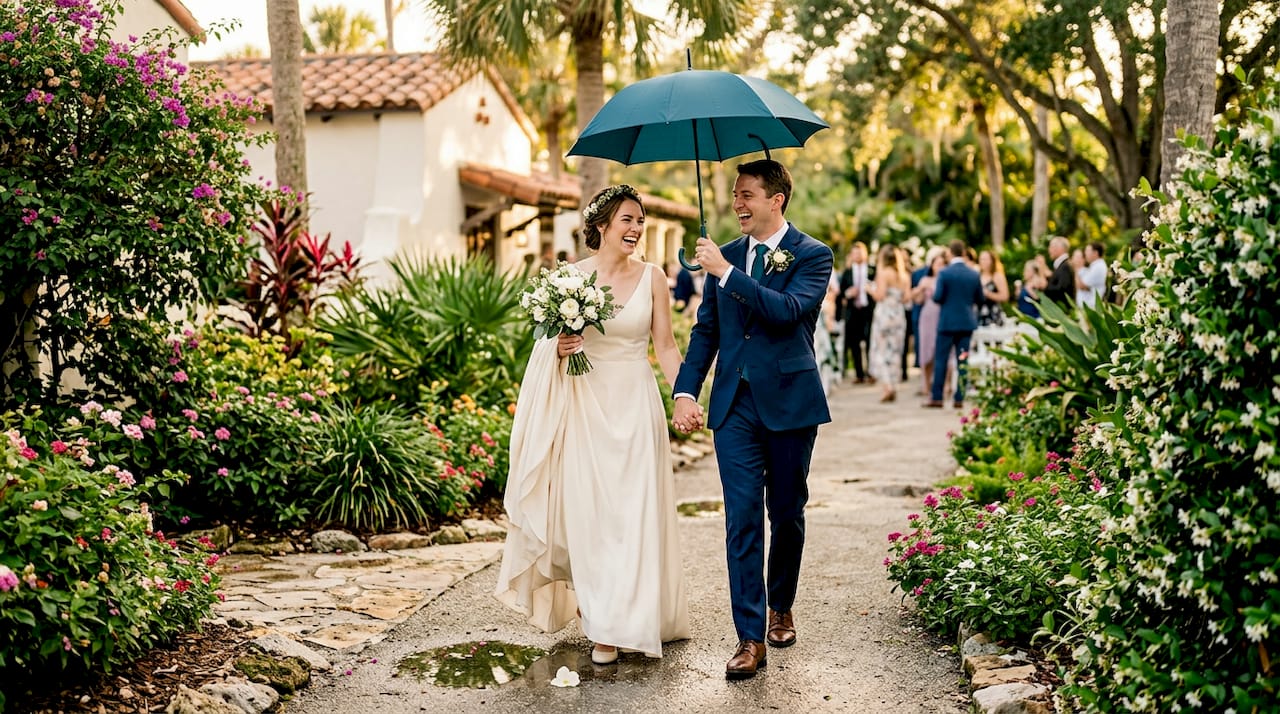
Most couples assume that booking a photographer means everything gets captured. Then the reception runs long, the venue is farther than expected, and someone realizes the first dance wasn’t covered. Understanding what is wedding photography coverage hours before you sign a contract is the difference between a complete visual story and a collection of gaps. This guide breaks down how many hours you actually need, what each package typically covers, and why Florida weddings specifically require a more thoughtful approach to coverage planning than most couples expect.
Table of Contents
Key takeaways
Point | Details |
8 hours is the standard | Most traditional weddings use 8-hour coverage to capture prep through reception highlights. |
Florida adds complexity | Beach venues, travel between locations, and unpredictable weather often require extended hours. |
Coverage is continuous | Photographers do not take scheduled breaks during booked hours, so every minute counts. |
Packages range from 6 to 10 hours | Each tier captures different moments, and choosing wrong means missing key parts of your day. |
Communicate before the day | Sharing your must-have shots and timeline in advance maximizes every hour you book. |
What is wedding photography coverage hours and what each package includes
Wedding photography coverage hours refers to the total block of time your photographer is contracted to be present and actively shooting on your wedding day. It starts when they arrive, typically at getting-ready prep, and ends at a predetermined point during your reception.
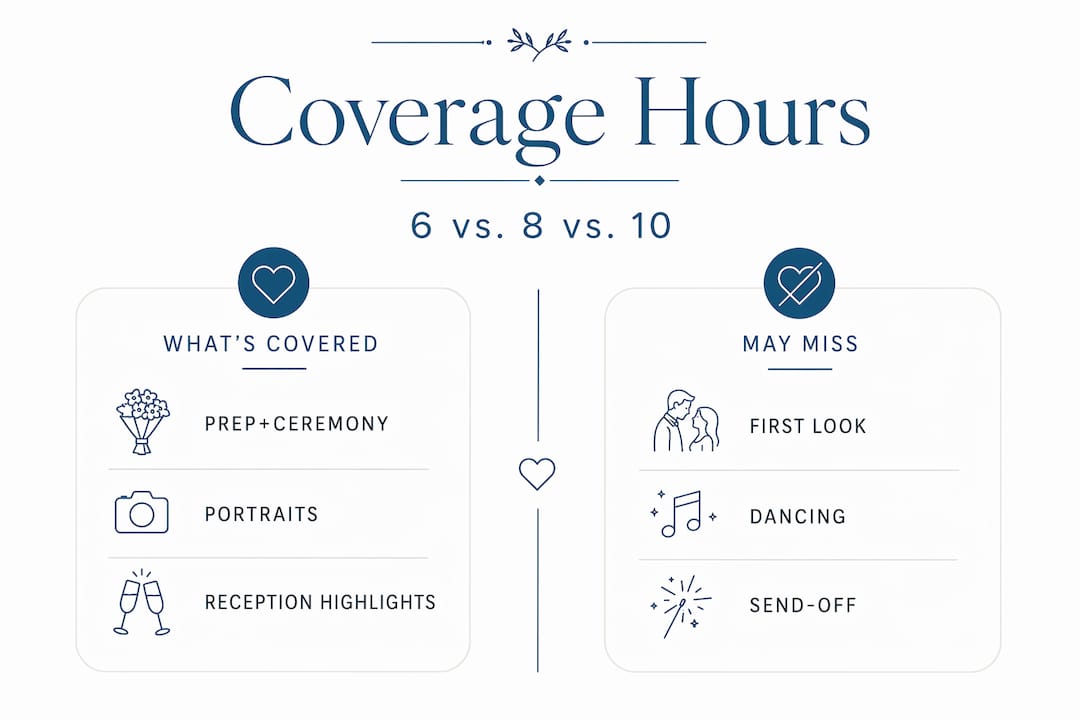
Coverage options usually include 6, 8, and 10 hour packages, with 8 hours being the most popular choice for traditional weddings. Here is what each tier realistically covers:
6-hour coverage: Best for smaller, tightly scheduled weddings. You can typically fit the final hour of getting ready, the ceremony, a short portrait session, and the first hour of the reception. Toasts and cake cutting are possible, but the first dance may be a close call depending on your timeline.
8-hour coverage: 8 hours is widely considered the industry standard. This window comfortably includes getting ready in full, the ceremony, couple portraits, family formals, cocktail hour, and solid reception coverage through the first dance and toasts.
10-hour coverage: Full day wedding photography at its most thorough. You get everything above plus extended reception coverage, late-night dancing, and breathing room if anything runs behind schedule.
Travel time matters more than most couples realize. If your photographer drives 45 minutes between your getting-ready location and the ceremony venue, that time comes out of your coverage block unless your contract specifies otherwise. Always ask your photographer how they handle travel within booked hours.
Pro Tip: Ask your photographer to share a sample timeline for your chosen coverage length before you book. Seeing exactly what fits into 6, 8, or 10 hours makes the decision much easier and reveals gaps you hadn’t considered.
Factors that influence how many hours you should book
Your wedding day is not a template. The number of coverage hours you need depends on specific decisions you have already made or are about to make.
Schedule complexity and ceremony length play the biggest role. A Catholic mass ceremony runs 60 to 90 minutes. A civil ceremony might be 20 minutes. That difference alone shifts what fits into a 6-hour block versus an 8-hour one.
Venue count and travel distance are where Florida weddings get complicated. If you are getting ready at a hotel, marrying on a beach, and holding your reception at a separate venue, your photographer could spend 90 minutes in transit across your day. Florida’s multi-venue weddings frequently create logistical challenges that eat into shooting time without couples realizing it until after the fact.
Here are the most common variables that push couples toward longer coverage:
Multiple venue locations with significant driving time between them
Large bridal parties requiring extended getting-ready and portrait time
Pre-ceremony moments you want captured, like a first look, letters read aloud, or a private ceremony reveal
Reception activities scheduled late, including parent dances, bouquet toss, or a sparkler send-off
Personal must-have shots that require setup time, like drone portraits or specific creative compositions
“The couples who feel most satisfied with their photos are the ones who booked at least one hour more than they thought they needed. That buffer is where the magic happens.”
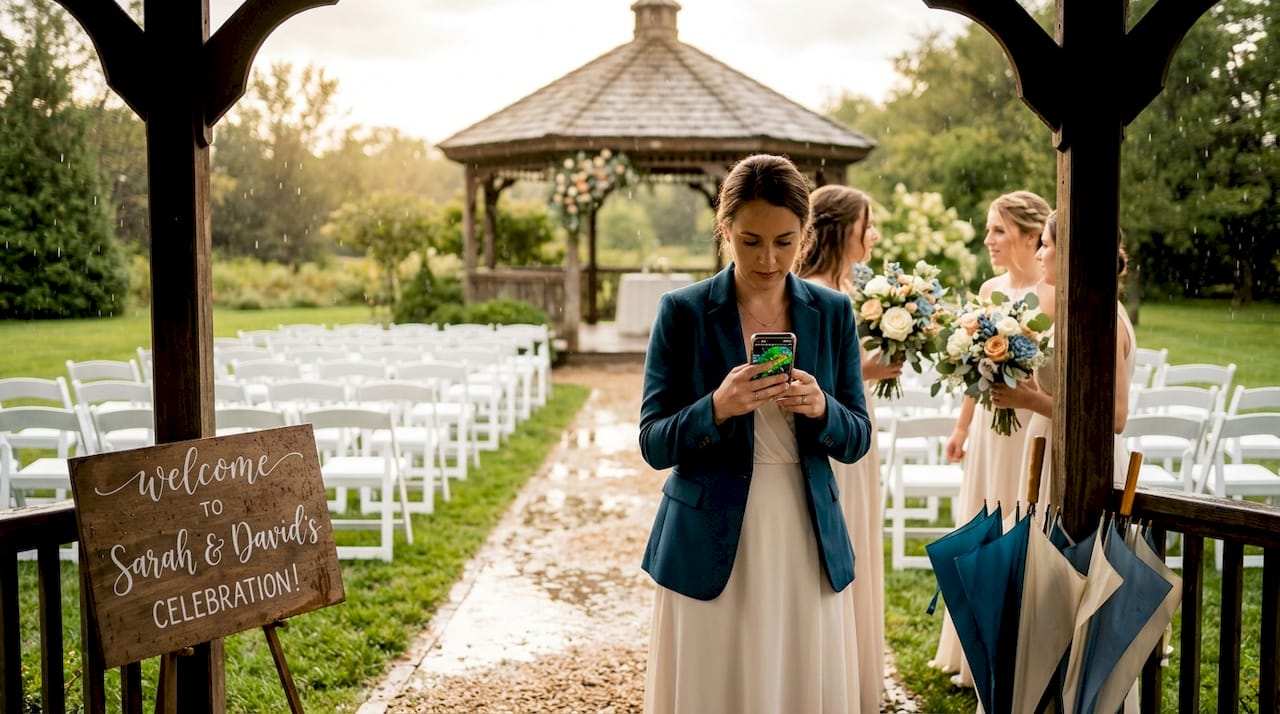
Weather is another real factor in Florida. Afternoon thunderstorms in summer can delay outdoor ceremonies by 30 minutes or more. If your photographer’s coverage ends at 8 PM and your ceremony starts 25 minutes late, you are already losing ground on your reception coverage.
Comparing 6, 8, and 10 hour coverage options
Choosing between packages comes down to what you are willing to risk missing and what your budget allows. This comparison makes the tradeoffs clear.
Coverage | What fits | Risk | Best for |
6 hours | Final prep, ceremony, short portraits, early reception | Missing late reception moments, dancing, send-off | Intimate weddings with tight timelines |
8 hours | Full prep, ceremony, portraits, family formals, reception highlights | Minimal if timeline runs on schedule | Most traditional weddings |
10 hours | Everything above plus extended reception, dancing, late-night details | Very low, includes buffer for delays | Large weddings, multi-venue, complex schedules |
One thing that surprises couples is how longer coverage affects post-production. Post-wedding editing typically requires 20 to 60 hours of work depending on the photographer’s workflow. A 10-hour wedding generates significantly more images to cull and edit than a 6-hour one, which is part of why pricing scales with coverage length.
Average wedding photographer cost sits around $3,000, though coverage length and package features shift that number considerably. Longer coverage is not just more hours. It is more images, more editing time, and more of your story told completely.
A common misconception worth addressing directly: some couples assume that if they book 6 hours, the photographer gets a 30-minute break somewhere in the middle, leaving them with only 5.5 hours of actual shooting. That is not how it works. Coverage is continuous during booked hours. Photographers eat discreetly during your reception dinner and remain available throughout.
Pro Tip: Ask your photographer about their overtime rate before the wedding day. Knowing the cost to extend by one or two hours gives you a safety net if your timeline runs long, and it should be written into your contract in advance.
How to maximize every hour of your wedding photography coverage
Booking the right number of hours is step one. Getting the most out of those hours requires some planning on your end.
Share your timeline early. Give your photographer a detailed schedule at least two weeks before the wedding. They can flag conflicts, suggest adjustments, and plan where to be at every key moment.
Schedule golden hour portraits. Planning portrait timing around the hour before sunset produces dramatically better natural light. In Florida, that window is worth protecting on your timeline.
Communicate your must-have shots in advance. A written list of non-negotiable moments, whether that is a three-generation photo or a specific venue detail, lets your photographer prioritize without guessing.
Coordinate with your other vendors. Your DJ, officiant, and caterer all affect the photography timeline. A reception that starts dinner 20 minutes late compresses everything that follows.
Understand what your photographer does during coverage. Photographers typically remain available throughout booked hours, capturing candid moments even during transitions. Let them move freely rather than assigning them to a fixed spot.
Build buffer into your schedule. A 10-minute gap between getting ready and leaving for the ceremony sounds wasteful. On the actual day, it is a gift.
Your contract should also specify exactly how coverage hours are defined, when the clock starts, and what the overtime policy looks like. Clarity here prevents the most common frustrations couples experience after the wedding.
Pro Tip: If you want a first look before the ceremony, tell your photographer during the planning stage. It actually frees up time later by completing couple portraits before guests arrive, which gives your coverage hours more flexibility overall.
Why Florida weddings require a different approach
Florida is not a typical wedding state in terms of logistics. The combination of outdoor venues, seasonal weather, and geography creates planning challenges that couples from other states rarely encounter.
Beach weddings are the most obvious example. Sand, wind, and open sky are beautiful in photos, but they also mean no shade, unpredictable tides, and permit-restricted windows at public beaches. Your photographer may have a narrow timeframe to shoot at the water’s edge, which affects how your coverage hours get allocated.
Here are the Florida-specific factors that most often affect wedding photography coverage time:
Afternoon storm season from June through September can delay outdoor ceremonies by 30 minutes or more, compressing your remaining coverage window
Travel between coastal venues in areas like the Florida Keys, Tampa Bay, or the Space Coast can add significant transit time within a coverage block
Sunset timing varies significantly across Florida’s seasons, shifting your golden hour window and affecting when portrait sessions should be scheduled
Heat and humidity can affect how long outdoor portrait sessions run comfortably, especially in summer months, which may mean shorter but more frequent outdoor shooting windows
High season venue schedules from November through April often mean back-to-back events, limiting how flexible venues can be if your timeline slips
Couples planning outdoor or multi-location Florida weddings consistently benefit from booking at least 8 hours, with 10 hours strongly worth considering if any of the factors above apply to their day.
My honest take on coverage hours after years of Florida weddings
I’ve seen couples book 6 hours to save money and spend years wishing they had the sparkler send-off on camera. I’ve also seen couples book 10 hours for a two-hour ceremony and a small dinner, which is more than they needed. The truth is that no formula replaces an honest conversation with your photographer about your specific day.
What I’ve learned from photographing weddings across Florida is that the couples who feel most satisfied with their coverage are the ones who treated the timeline as a collaboration, not a constraint. They shared their priorities early, built in buffer, and trusted their photographer to make judgment calls in the moment.
My honest recommendation: if you are on the fence between 6 and 8 hours, book 8. If you are on the fence between 8 and 10, think about how complex your venue situation is and whether Florida’s weather could realistically affect your day. The cost difference between tiers is real, but so is the cost of missing a moment you cannot recreate.
What to expect from your wedding photographer is a question worth asking directly before you sign anything. Open communication before the wedding day is the single best investment you can make in your coverage.
— Kellie
See how Pixelgroves covers your Florida wedding day
Pixelgroves has spent years photographing weddings across Florida, from intimate beach ceremonies to multi-venue celebrations with complex timelines. Their flexible coverage packages include 6, 8, and 10 hour options, each designed to be customized around your specific day, venue, and priorities. Every package comes with a dedicated planning process so your timeline is built to protect the moments that matter most to you. You can explore their wedding photography styles to find the approach that fits your vision, or reach out directly for a personalized consultation. Pixelgroves was named the 2025 Best of Florida Wedding Photographer, and their team is ready to help you plan coverage that leaves nothing behind.
FAQ
What is the average number of hours for wedding photography?
8 hours is the industry standard for traditional weddings, covering getting ready through reception highlights. Smaller or shorter weddings sometimes book 6 hours, while larger or multi-venue weddings often need 10.
Does wedding photography coverage include the photographer’s breaks?
No. Professional photographers provide continuous coverage throughout booked hours, eating discreetly during reception dinner to stay available. Every hour you book is an hour of active shooting.
How many hours do I need for a Florida beach wedding?
Most Florida beach weddings benefit from at least 8 hours due to travel between venues, weather variability, and the value of capturing golden hour portraits near the water. Multi-venue beach weddings often warrant 10 hours.
What should my wedding photography contract say about coverage hours?
Your contract should clearly specify when coverage starts and ends, how travel time is handled, and what the overtime rate is if your day runs long. These details prevent the most common disputes after the wedding.
Can I add hours to my wedding photography package on the day?
Most photographers allow coverage extensions with advance notice written into the contract, but availability and rate should be agreed upon before the wedding day, not during it.
Recommended
Comments