Sunset Wedding Portraits: 10 Tips for Stunning Shots
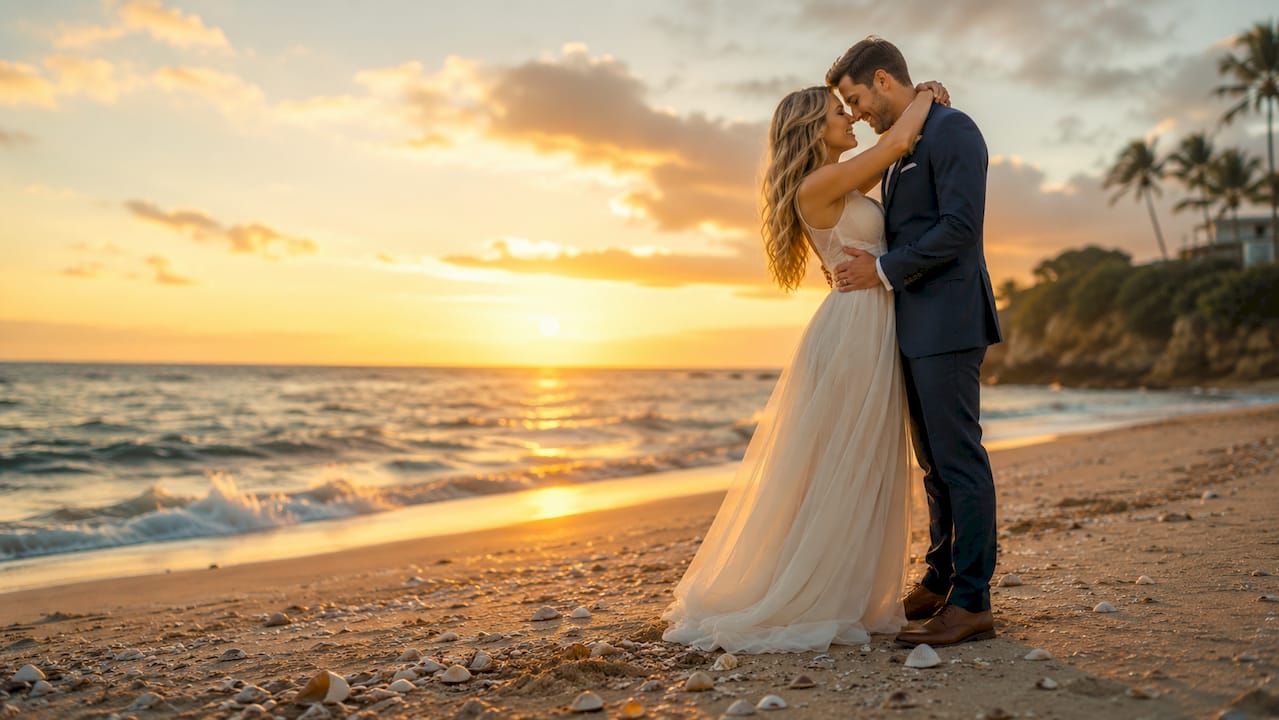
Sunset wedding portraits are defined as couple portraits taken during golden hour, the roughly 60 minutes before the sun drops below the horizon, when warm, directional light wraps subjects in a soft, cinematic glow. This window is widely recognized as the best time for wedding photos because the light flatters skin tones, reduces harsh shadows, and creates a naturally romantic atmosphere without any artificial setup. Pixelgroves, winner of the 2025 Best of Florida Wedding Photographer Award, consistently ranks these portraits among the most treasured images couples receive. Planning for this window is not optional. It is the single decision that separates a good wedding gallery from a great one.
1. Schedule sunset portraits as a protected block
Treating sunset portraits as a flexible item on your timeline is the most common planning mistake couples make. A fixed portrait window prevents the session from being bumped by a delayed toast or an overrunning dinner. Block it in your schedule the same way you would block the ceremony itself.
A focused session of 10–20 minutes during golden hour is enough to capture a full, varied set of portraits. That short window keeps you away from guests for a minimal amount of time while delivering the most visually striking images of the day.
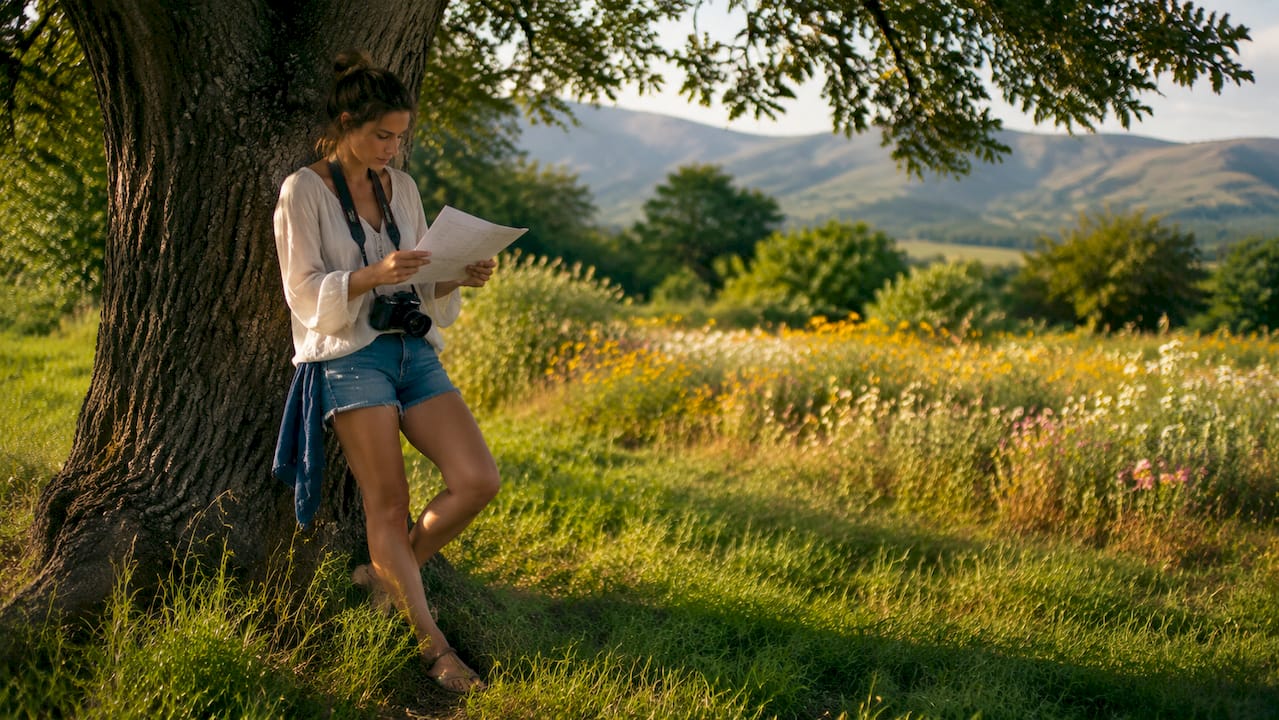
Pro Tip: Share the exact sunset time with your wedding planner and photographer at least two weeks before the wedding. Build the portrait block backward from that time so every vendor knows the window is non-negotiable.
2. Know your sunset time by season and location
Sunset times shift dramatically by season and geography. Winter ceremonies may see the sun drop as early as 4:30 PM, while summer weddings can enjoy golden light until 8:15 PM. That four-hour range changes everything about how you structure your wedding day.
A winter wedding with a 5:00 PM ceremony has almost no margin for post-ceremony portraits in golden light. A summer wedding with a 7:00 PM ceremony has a natural buffer. Knowing your specific date and location lets you build a timeline that works with the sun rather than against it.
Couples planning outdoor wedding photography in Florida benefit from checking a reliable sunrise/sunset calculator for their exact venue coordinates. The official sunset time at your venue may differ from the general city time by several minutes, and those minutes matter.
3. Scout your sunset photo locations in advance
Venue orientation and surrounding landscape directly affect when and where golden light appears. A hill, tree line, or building to the west can block the sun 20–30 minutes before official sunset, cutting your golden hour short without warning.
Visit the venue with your photographer at the same time of day as your planned portrait session. Walk the grounds together and identify two or three specific spots where the light lands well. This removes guesswork on the wedding day and lets you move quickly between setups.
Strong outdoor settings for romantic sunset photography include:
Open beaches where the horizon is unobstructed and the light travels the farthest
Garden pathways lined with trees that create natural frames and dappled warmth
Hillside overlooks that place the couple above the horizon line for dramatic backlit silhouettes
Lakeside or riverside banks where water reflects and doubles the golden light
Rustic fields or open meadows that let the full color of the sky appear behind the couple
Pro Tip: Ask your photographer to visit the venue on a clear evening before the wedding. A 30-minute scout visit produces a shot list that saves 10 minutes of searching on the actual day.
4. Use backlighting and silhouette techniques
Backlighting is the defining technique of golden hour portraiture. The photographer places the couple between the camera and the setting sun, wrapping them in a warm rim of light that separates them from the background. The result is a glowing, cinematic image that no studio light can replicate.
Silhouettes take backlighting one step further. The couple is exposed against a vivid sky, their forms rendered in deep contrast. These images work best with a clear, colorful horizon and a simple pose. A kiss, a dip, or a forehead touch reads instantly and powerfully in silhouette form.
For creative wedding portrait ideas that go beyond standard poses, consider these techniques:
Veil and fabric movement: Ask your photographer to toss the veil or have you spin slowly. Flowing fabric catches the light and adds motion to still images.
Walking shots: A natural walk toward or away from the camera produces relaxed body language and candid expressions.
Close-up details: Hands intertwined, a forehead rest, or a whispered laugh captured tight creates emotional contrast against wide landscape shots.
Wide environmental frames: Pull back to show the full sky and venue. These shots tell the story of where you were and what the light looked like.
Candid reaction moments: The best expressions happen between posed shots. Ask your photographer to keep shooting during transitions.
5. Plan a two-session portrait approach
A two-session portrait strategy produces a more natural, relaxed gallery than a single long session. The first session happens immediately after the ceremony, capturing the fresh emotion of the just-married moment. The second session happens at golden hour, focused entirely on light and intimacy.
The first session handles the formal and family portraits while energy is high. By the time golden hour arrives, the couple is relaxed, the formal obligations are done, and the photographer can focus on creative, romantic images. The two sessions serve different emotional purposes and together produce a complete gallery.
This approach also removes pressure from the sunset window. You are not trying to capture everything in 15 minutes. You are returning for a specific, intentional purpose with a clear shot list already in progress.
6. Sneak away during the reception for golden hour shots
Stepping away from the reception for 10 minutes during cocktail hour or early dinner is one of the most effective ways to capture golden hour portraits without restructuring your entire ceremony time. Guests are eating, drinking, and socializing. They rarely notice a brief absence, and you return with the best images of the night.
This tactic works especially well for couples who want a later ceremony time. Rather than moving the ceremony earlier to chase the light, you let the reception begin and slip out with your photographer at the right moment. Your coordinator signals you when the light peaks, and you go.
Coordinate this plan with your DJ or band in advance. A well-timed instrumental set or a guest activity keeps the room engaged while you are away. The wedding day photography schedule should note this window explicitly so every vendor is aligned.
7. Work with cloudy and overcast conditions
Overcast skies do not ruin sunset portraits. Cloud cover acts as a natural diffuser, spreading light evenly across the scene and eliminating the harsh shadows that direct sun creates. Skin tones often look more flattering under soft, diffused light than under a bright, clear sky.
The color palette shifts on cloudy days. Instead of warm orange and gold, you get cooler, moodier tones that suit certain wedding aesthetics beautifully. A dark, dramatic sky behind a white dress creates striking contrast that clear-sky portraits cannot match.
Pro Tip: If clouds roll in on your wedding day, ask your photographer to look for breaks in the cloud layer near the horizon. The sun often appears in a narrow band just above the horizon at sunset, producing a burst of warm light even on an otherwise overcast day.
8. Avoid these common sunset portrait mistakes
Most couples who miss their golden hour portraits do so because of avoidable planning errors. These are the most frequent ones.
Scheduling the ceremony at sunset. This leaves zero time for portraits after the ceremony. The light is gone before you reach the portrait location.
Treating the portrait session as optional. Any flexibility in the schedule gets consumed by delays. A flexible portrait block disappears first.
Failing to brief vendors on the timeline. If your caterer starts dinner service during your portrait window, you will feel pressure to return early.
Ignoring venue orientation. A venue that faces east blocks western light entirely. Confirm the sun’s path at your venue before booking.
Attempting too many poses. A rushed list of 20 poses produces stiff, anxious expressions. A focused list of 5–7 setups produces genuine emotion and better images.
Skipping the pre-wedding scout. Arriving at a location for the first time during golden hour wastes the most valuable minutes of the session.
9. Dress and style choices that photograph well at sunset
Warm sunset light interacts with clothing color and fabric in specific ways. Ivory, blush, champagne, and warm white tones glow in golden light. Bright white can blow out detail in direct backlight, while deep jewel tones absorb the warmth and appear rich and saturated.
Flowing fabrics photograph better than structured ones during romantic sunset photography. Chiffon, tulle, and silk catch the light and move naturally in outdoor conditions. A stiff ballgown skirt does not respond the same way to a gentle breeze.
Accessories matter too. Gold jewelry reflects warm light beautifully. A cathedral veil adds length and drama in backlit shots. Grooms in warm-toned suits, tan linen, or navy photograph better at sunset than those in cool gray, which can read as flat in warm light.
10. Collaborate closely with your photographer before the day
The best outdoor wedding photography results from a partnership built before the wedding day, not on it. Share your vision, your venue details, and your timeline with your photographer at least one month in advance. Review their portfolio specifically for golden hour work to confirm their experience with this type of light.
Ask your photographer directly: Where will the sun set at our venue? What time does golden light peak there? What is your backup plan if the light changes quickly? A photographer who answers these questions with specifics has done this before. One who answers vaguely has not.
Sunset portraits give couples a rare moment of solitude during a day that is otherwise shared with everyone they know. That private moment, captured in the best light of the day, produces images that couples return to for decades. The collaboration that makes it happen starts long before the wedding day begins.
Key Takeaways
Sunset wedding portraits require a protected time block, a scouted location, and a photographer experienced in golden hour light to produce images couples will keep for a lifetime.
Point | Details |
Protect the portrait window | Block golden hour portraits in the timeline as a fixed, non-negotiable event. |
Know your sunset time | Sunset ranges from 4:30 PM in winter to 8:15 PM in summer; plan your timeline around your exact date. |
Scout locations beforehand | Visit the venue at portrait time with your photographer to identify the best light spots. |
Use a two-session approach | Shoot formal portraits post-ceremony and return for creative golden hour shots separately. |
Cloudy days still work | Overcast light diffuses evenly and often flatters skin tones better than direct sun. |
Why sunset portraits are the ones couples never stop looking at
I have photographed hundreds of weddings, and the pattern is always the same. Couples come back to me months later and say the same thing: the sunset portraits are the ones on the wall. Not the ceremony. Not the first dance. The ones where it was just the two of them, in that light, for ten quiet minutes.
What I have learned is that the light is only half of it. The other half is the pause. Sunset portraits give couples the only moment in the entire day when nobody needs anything from them. No vendor, no family member, no timeline. Just the two of them and a photographer who knows how to disappear into the background. That combination of light and stillness produces something that posed portraits in a studio never can.
The couples who get the best results are the ones who trust the process and let go. They stop thinking about the guest list and the seating chart and just stand together. That is when the real expressions appear. That is when I get the shot that ends up framed above the fireplace.
My honest advice: do not treat this session as a photo obligation. Treat it as the one moment in your wedding day that belongs entirely to you. Plan for it, protect it, and then let it happen.
— Kellie
How Pixelgroves approaches your golden hour session
Pixelgroves specializes in golden hour portraiture as a core part of every wedding package, not an add-on. The team scouts venues in advance, builds portrait windows directly into your timeline consultation, and arrives knowing exactly where the light will land and when.
[

Every couple receives a personalized timeline review that protects the sunset session from the scheduling pressures that typically erase it. Pixelgroves has photographed weddings across Florida’s beaches, gardens, and open venues in every season and weather condition. Explore wedding photography styles and packages to see how golden hour portraits are built into every coverage option, and review pricing and packages to find the right fit for your day.
FAQ
What is the best time for sunset wedding portraits?
Golden hour begins approximately 60 minutes before sunset and offers the warmest, most flattering light of the day. The exact time varies by season, ranging from around 4:30 PM in winter to 8:15 PM in summer.
How long do sunset wedding portraits take?
A focused golden hour portrait session takes 10–20 minutes and produces a complete, varied set of images. Longer sessions are possible but not necessary if the shot list is planned in advance.
What if it is cloudy on my wedding day?
Cloudy skies act as a natural diffuser and often produce softer, more flattering light than direct sun. Experienced photographers adapt their approach and can capture beautiful portraits in overcast conditions.
Can we do sunset portraits if our ceremony ends after dark?
Yes. Stepping away from the reception for 10 minutes during cocktail hour or early dinner is an effective way to capture golden hour light without adjusting your ceremony time.
Does venue location affect sunset portrait quality?
Venue orientation and surrounding landscape directly affect when golden light appears and how long it lasts. Natural obstructions like trees or buildings can block the sun earlier than the official sunset time, making advance scouting critical.
Recommended
Comments