Benefits of Wedding Videography: Top 10 Reasons to Film
Updated: 2 days ago
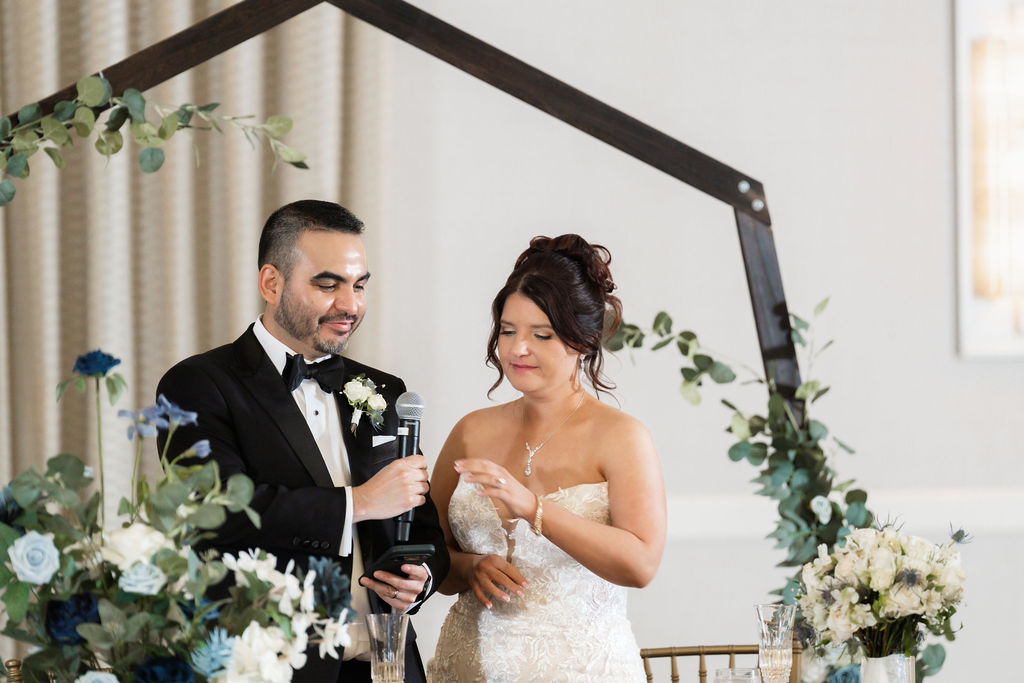
Wedding videography is the most complete way to preserve your wedding day because it captures live motion, spoken vows, laughter, and music in a way that photographs simply cannot replicate. Couples who invest in professional video gain a living record of their most personal moments, not just a visual snapshot. The benefits of wedding videography extend far beyond nostalgia. From hearing your partner’s voice crack during vows to sharing the full ceremony with a grandmother who couldn’t travel, video delivers an emotional depth that grows more powerful with every viewing.
1. The core benefits of wedding videography start with sound
The single most underestimated advantage of wedding video is audio. 41% of complaints about wedding films cite audio problems, and films with excellent audio are rewatched 3.9 times more after three years. That number tells you everything: couples don’t just want to see their wedding again. They want to hear it.
Vows spoken in a trembling voice, a best man’s joke that made the room erupt, the first song you danced to together. None of that survives in a photograph. A skilled videographer captures those sounds live, and no amount of post-production editing can fully recover audio that was never properly recorded in the first place.
“Experts rank audio capture as the emotional center of wedding films. No post-production can fully recover lost audio the way a good mic captures it live.” — OurStoria
Pro Tip: Ask any videographer you’re considering what microphones they use for vow capture. The answer tells you immediately how seriously they take audio quality.
2. Video preserves emotional moments photos physically can’t
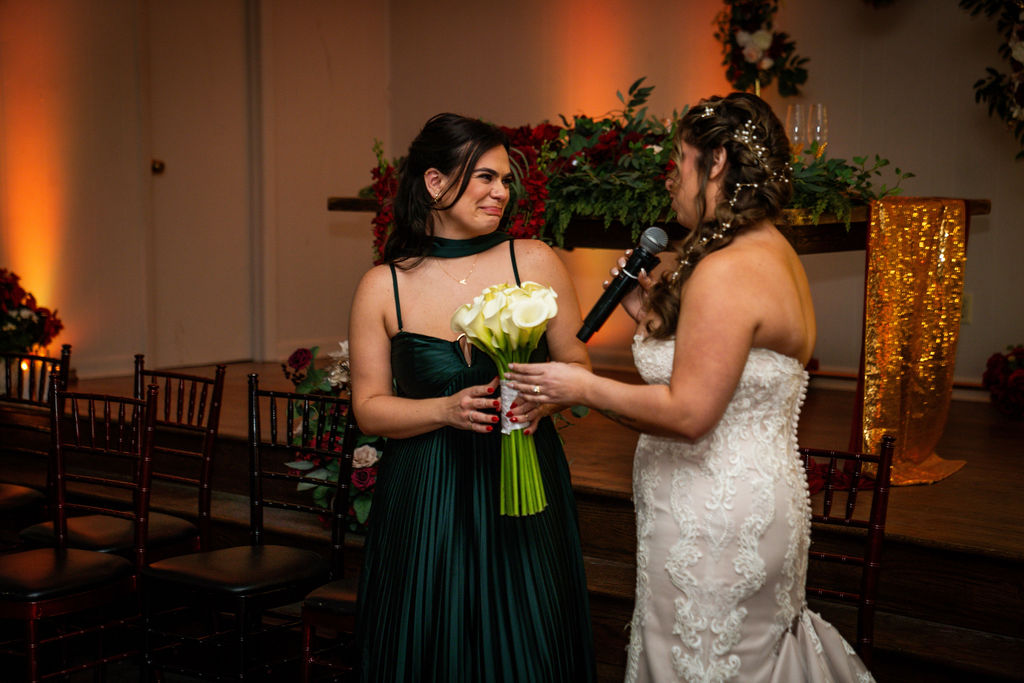
Photography freezes a single frame. Video captures the full arc of a moment: the breath before the vow, the tear that follows, and the smile that comes after. Video captures expressions, voices, and atmosphere that photographs miss entirely, creating a fuller narrative of the day.
Documentary style wedding photography and videography both aim for authenticity, but video adds the dimension of time. You see your father’s shoulders shake as he gives his speech. You hear your guests gasp when you walk down the aisle. Those are not moments a still image can hold.
The advantages of wedding videos in this area are not subtle. Emotional triggers in video, specifically voices and movement, activate memory recall far more powerfully than static images. Couples report that watching their wedding film years later feels like stepping back into the room, not just looking at a picture of it.
3. Regret avoidance is one of the strongest reasons to hire a videographer
35% of couples regret not hiring a videographer, primarily because they missed hearing their vows and speeches in motion. That is a significant number, and it reflects a pattern: couples who skip video often don’t realize what they’ve lost until the day is over and the memory begins to fade.
Only about 37% of American couples hired videographers in 2024, which means the majority are still making a decision they may later wish they had reconsidered. The regret is almost never about cost. It’s about the specific moments, the father-daughter dance, the ring exchange, the toast, that no one thought to capture on a phone.
Wedding video importance becomes clearest in hindsight. Investing in a videographer removes that risk entirely.
4. Video and photography work together, not in competition
Many couples treat photography and videography as an either/or budget decision. They are not the same product, and they don’t serve the same purpose.
Feature | Photography | Videography |
Captures sound | No | Yes |
Freezes single moments | Yes | No |
Shows movement and expression | Limited | Full |
Typical deliverable | 400–800 edited images | Highlight film plus full ceremony edit |
Viewing experience | Browse at your own pace | Immersive, narrative playback |
Best for | Visual keepsakes, wall prints | Reliving atmosphere and emotion |
Photography excels at producing images you display and share. Videography excels at recreating the experience of being there. The documentary wedding photography benefits and the benefits of wedding films are complementary, not overlapping.
If budget forces a choice, prioritize the medium that captures what you most want to relive. For most couples, that’s the sound of their vows.
5. Sharing wedding video connects distant loved ones to your day
Not everyone you love can attend your wedding. Illness, distance, cost, and circumstance keep people away. A wedding film gives those people a genuine experience of the day, not just a photo album to scroll through.
73% of all wedding video sharing occurs within 48 hours of delivery, which shows how urgently couples want to include the people who weren’t there. The emotional impact is highest when the video arrives while the day is still fresh in everyone’s minds.
Key sharing advantages include:
Grandparents and elderly relatives who couldn’t travel can watch the full ceremony from home.
Friends in different time zones can experience the reception speeches and first dance.
Private digital galleries allow controlled, secure sharing without social media exposure.
Future children and grandchildren gain a window into a day that defined their family’s story.
Pro Tip: Ask your videographer about their delivery timeline before you book. A team that delivers a highlight film within two weeks keeps the emotional momentum alive for sharing.
6. Large weddings make video even more valuable
At a wedding with 150 or more guests, you will miss things. You’re greeting family at the entrance while your college friends are doing something hilarious at the bar. You’re in the bridal suite while your partner shares a quiet moment with their parents. Video captures the wedding as a whole, not just the parts you personally witnessed.
The impact of wedding videography scales with the size and complexity of the event. Multi-camera setups cover the ceremony from different angles simultaneously. A second shooter captures guest reactions while the primary camera follows the couple. You end up with a film that shows you a wedding you were at but couldn’t fully see.
This is one of the most practical advantages of wedding videos that couples rarely consider during planning. You spend months organizing an event and then experience only a fraction of it in real time. Your film gives you the rest.
7. Documentary-style videography keeps you present on your wedding day
Documentary-style videography is prized specifically because it doesn’t require couples to stop, pose, or perform. The camera follows the day as it unfolds, capturing natural moments without intrusive direction.
This approach has a secondary benefit that’s easy to overlook: it lets you stay fully present. When you’re not being repositioned for shots or asked to repeat a moment for the camera, you can actually live the day. The film captures what happened, not a staged version of it.
Documentary style wedding photography and videography share this philosophy. Both prioritize genuine interaction over manufactured perfection. The result is footage that feels honest, which is exactly why it holds up emotionally over years of rewatching.
8. What to look for in a wedding videography package
Knowing the benefits of wedding videography is one thing. Choosing the right package is another. Standard packages cover 6 to 8 hours of coverage and typically include a 3 to 5 minute highlight film plus a full ceremony edit. That structure suits most weddings well.
Here’s what to evaluate when comparing packages:
Audio equipment. Confirm the videographer uses dedicated lavalier microphones for vow capture. Dual wireless lavalier microphones raise usable vow audio capture from roughly 12% to nearly 90%. That single upgrade changes the entire film.
Full ceremony versus highlights only. Some packages deliver only a highlight reel. Make sure full vow and speech footage is included if those moments matter to you.
Add-on options. Drone footage, same-day edits, and raw footage delivery are common upgrades. Prioritize based on your venue and priorities.
Delivery timeline. Faster delivery increases sharing momentum. Confirm expected turnaround before signing.
Highlight film length. The optimal length for family and social viewer engagement is 5 to 8 minutes, which balances completeness with viewer attention.
Wedding videography costs range from $1,500 to $3,500 on average in 2026, depending on package depth and region. That’s a comparable investment to many venue deposits, and it’s the one purchase that produces something you’ll return to for decades.
For a deeper look at what to ask before you book, the Pixelgroves guide on choosing a videography team covers the key questions in detail.
9. How to maximize your wedding video after the day
Getting a great film is only half the equation. How you watch and share it determines how much value you actually get from it.
Couples experience the strongest emotional connection when they watch their wedding video together on a large screen for the first time. Plan that viewing intentionally. Don’t watch it alone on your phone the moment it arrives. Sit down together, put it on the TV, and give it your full attention.
After that first viewing:
Share the highlight film within 48 hours to maximize emotional engagement from family and friends.
Store your full film on at least two platforms, a cloud service and a physical drive, to protect against data loss.
Revisit the full ceremony edit on your first anniversary. Many couples report that the second viewing hits harder than the first.
Use clips from the film for anniversary posts, family gatherings, or simply as a private ritual between the two of you.
The wedding video importance doesn’t diminish over time. It compounds. The film you watch on your tenth anniversary will carry weight that no photograph can match.
10. Wedding video becomes a family heirloom
The long-term value of a wedding film is something most couples don’t fully appreciate until years later. Your children will watch it. Their children may watch it. The audio-visual quality of that film determines whether it remains watchable and emotionally resonant across generations.
This is why the technical decisions made on your wedding day, microphone placement, camera resolution, editing quality, matter far beyond the immediate result. A film shot and recorded with care in 2026 will still be worth watching in 2046. A film with muffled audio and shaky footage will be abandoned in a folder and forgotten.
Wedding memories captured on video outlast almost every other artifact of the day. The flowers are gone. The cake is eaten. The dress is in a box. The film is the one thing that keeps the day alive.
Key takeaways
Wedding videography’s most irreplaceable benefit is audio: hearing vows, speeches, and laughter creates emotional recall that photographs cannot trigger, making video the highest-value investment for long-term memory preservation.
Point | Details |
Audio quality is everything | Films with excellent audio are rewatched 3.9 times more after three years; always confirm mic setup before booking. |
Regret is common without video | 35% of couples regret skipping videography, almost always because they missed hearing key moments. |
Video and photos serve different needs | Photography produces visual keepsakes; video recreates the full sensory experience of the day. |
Package depth matters | Standard packages should include full ceremony audio, not just a highlight reel; confirm deliverables in writing. |
The film grows in value over time | Wedding videos become family heirlooms; technical quality on the day determines whether the film holds up for decades. |
Why I think most couples underestimate what they’re actually buying
After years of observing how couples interact with their wedding films, one pattern stands out clearly: the couples who cry the hardest during their first viewing are almost always the ones who nearly skipped video entirely.
What they thought they were buying was footage. What they actually received was the sound of their partner’s voice on the most important day of their lives.
The conventional wisdom says to prioritize photography because “photos last forever.” That’s true. But photos don’t speak. They don’t carry the tremor in a voice or the laughter that broke through tears. I’ve seen couples watch their wedding film five years later and hear something in their vows they didn’t consciously register on the day itself. That’s not nostalgia. That’s a gift.
My strongest advice: choose a videographer who treats audio as a primary concern, not an afterthought. Ask about their microphone setup before you ask about their editing style. A beautiful film with poor audio is a beautiful film you’ll stop watching. A simple film with crystal-clear vows is something you’ll return to for the rest of your life.
And share it quickly. The emotional window after a wedding is short. Getting your highlight film to the people who love you within the first two weeks keeps that connection alive in a way that posting photos simply doesn’t replicate.
Invest in the film. You’re not buying a product. You’re buying the ability to go back.
— Kellie
Capture your wedding story with Pixelgroves
Pixelgroves brings award-winning photography and videography to couples who want every moment documented with intention and craft. As the 2025 Best of Florida Wedding Photographer, the team understands that no two weddings tell the same story, and every package is built to reflect yours specifically.
[
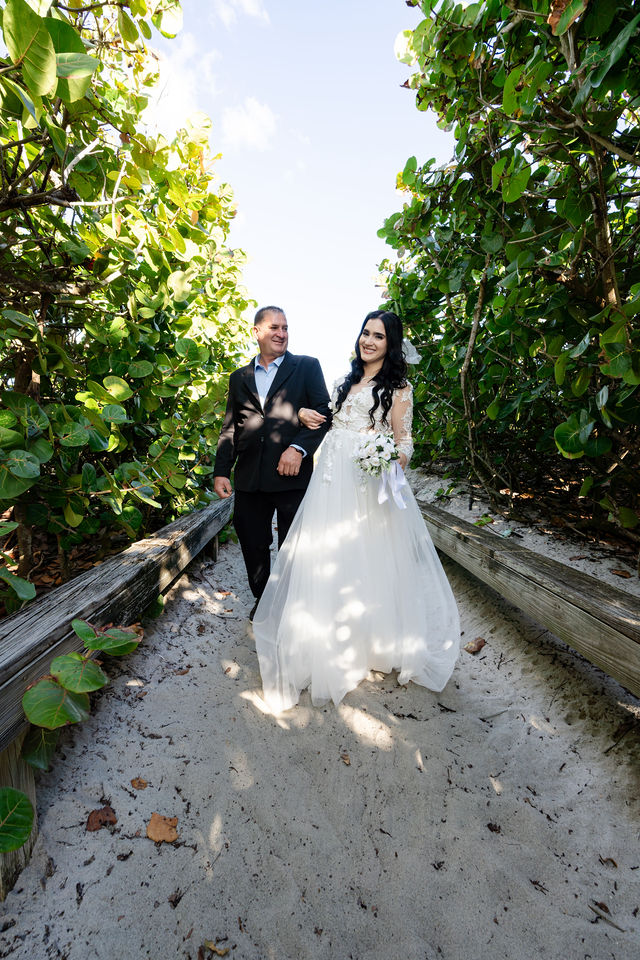
Whether you’re prioritizing a cinematic highlight film, full ceremony coverage, or a combined photo and video package, Pixelgroves offers flexible options designed around your priorities and budget. The team’s commitment to audio quality and documentary-style storytelling means your film will hold up emotionally for decades. Explore package options and pricing or browse photography styles to see how photography and videography work together to tell your complete wedding story.
FAQ
What are the main benefits of wedding videography?
Wedding videography captures live audio, movement, and atmosphere that photographs cannot preserve, including spoken vows, speeches, and candid emotional moments. Films with excellent audio are rewatched 3.9 times more after three years, making video the highest-value investment for long-term memory.
Why do couples regret not hiring a wedding videographer?
35% of couples who skipped videography report regret, primarily because they lost the ability to hear their vows and speeches in motion. That regret is almost never about cost. It’s about specific irreplaceable moments.
How long should a wedding highlight film be?
The optimal highlight film length for family and social viewer engagement is 5 to 8 minutes. That length balances completeness with viewer attention and produces the highest share rates.
What should I prioritize when choosing a wedding videography package?
Prioritize audio equipment above all else. Confirm the videographer uses dedicated lavalier microphones, and verify that full ceremony footage, not just a highlight reel, is included in your package. You can learn more about what to ask in the Pixelgroves guide on wedding videography for couples.
How much does wedding videography cost in 2026?
The average cost ranges from $1,500 to $3,500 depending on package depth, coverage hours, and region. That investment is comparable to many venue or catering deposits and produces the one artifact from your wedding day that keeps the full experience alive.
Recommended

Comments