How to Choose a Professional Wedding Videography Team
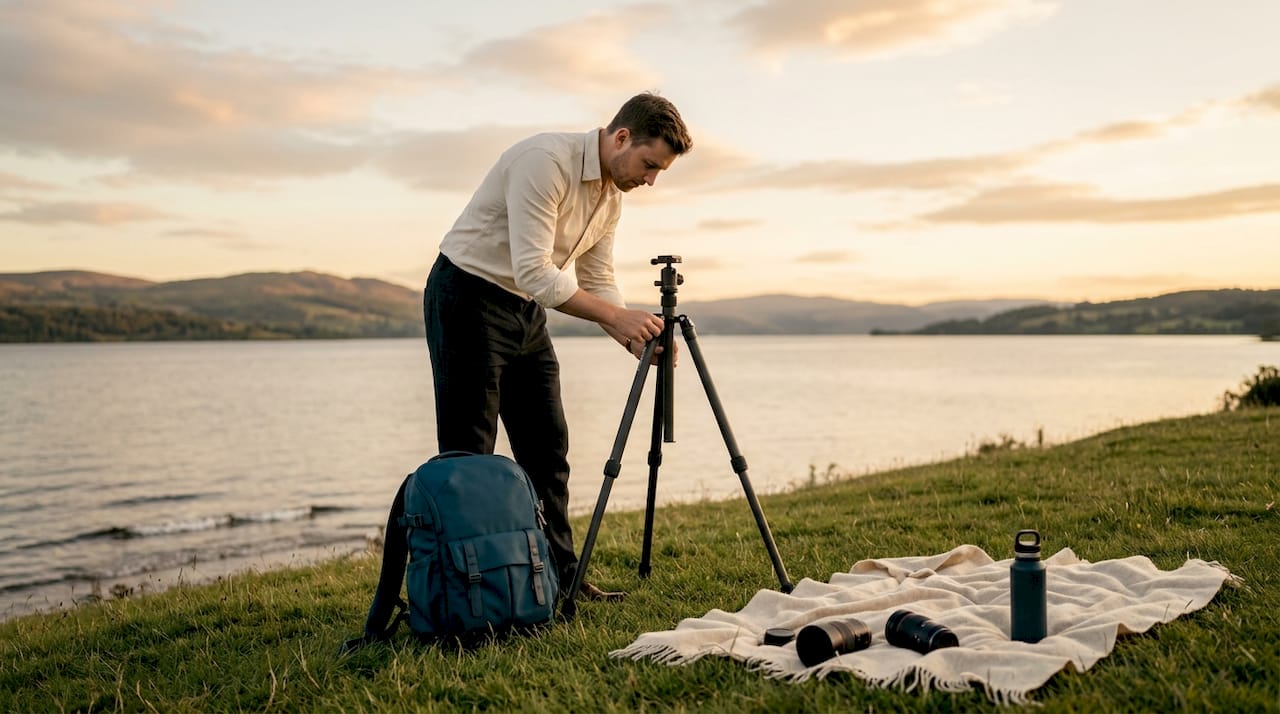
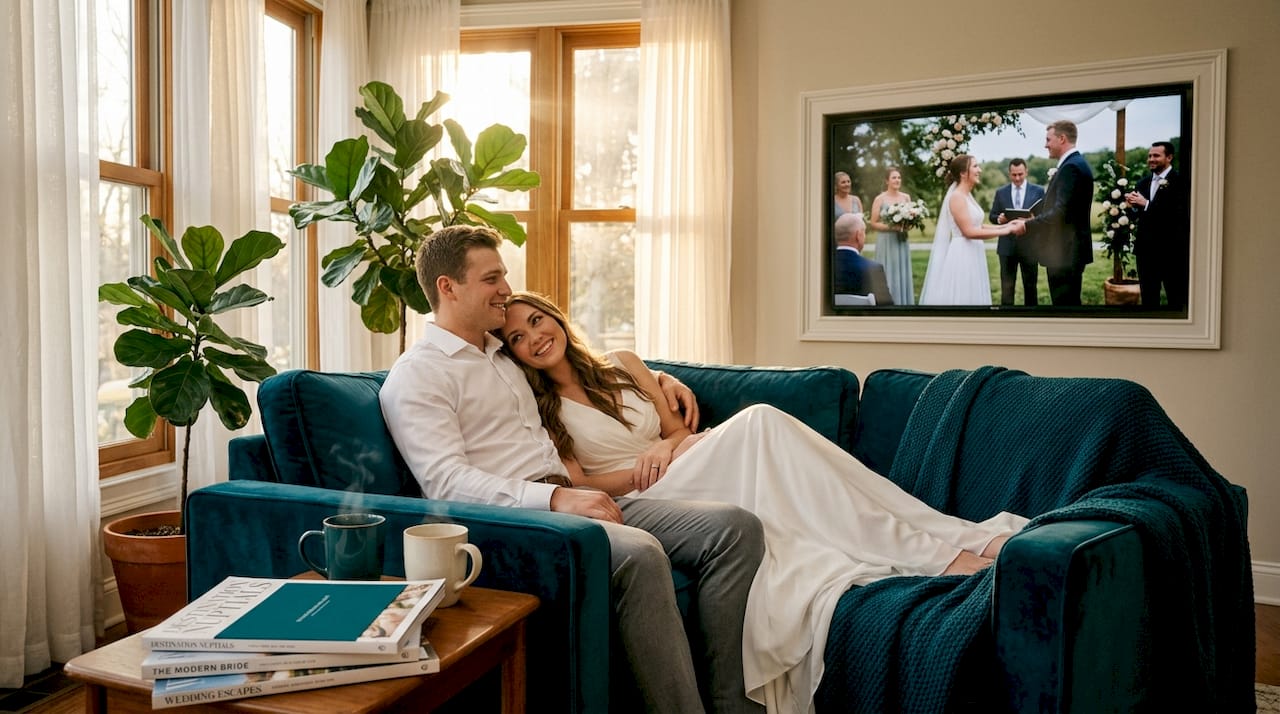
Your wedding video will outlive the flowers, the cake, and probably the dress. It’s the one artifact you’ll actually watch on your first anniversary, share with your kids, and replay when you need to feel that day again. Yet most couples spend hours comparing catering menus and barely an afternoon on how to choose a professional wedding videography team that can truly tell their story. The process of selecting your wedding videographers, or more formally, your wedding cinematographers, doesn’t have to be stressful. With the right framework, you’ll find a team whose style, personality, and technical skill match exactly what your day deserves.
Table of Contents
Key takeaways
Point | Details |
Style match matters most | Identify your storytelling style before searching so you evaluate teams against the right criteria. |
Full films reveal true skill | Request 2–3 complete wedding films to assess consistency, lighting, and audio across an entire event. |
Contracts protect both sides | Confirm deliverables, timelines, and backup plans in writing before signing anything. |
Team size shapes coverage | Solo videographers miss simultaneous shots; two-person teams capture more angles at critical moments. |
Price reflects real factors | Coverage hours, crew size, and equipment all drive cost. Compare value per deliverable, not just totals. |
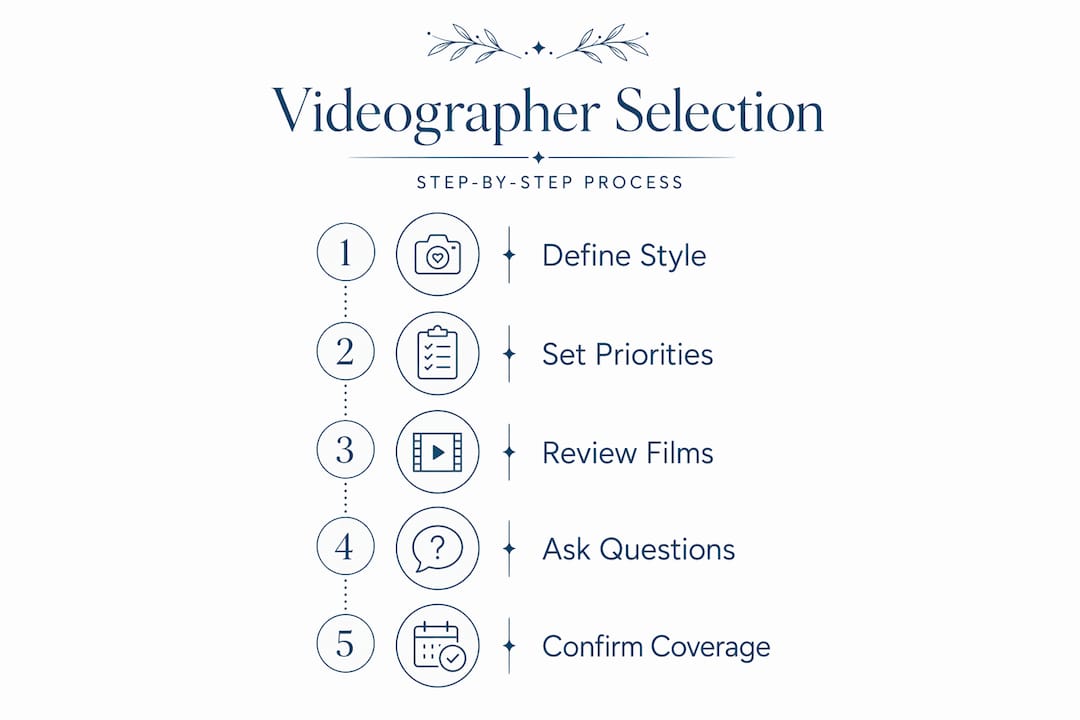
How to choose a professional wedding videography team
Before you watch a single sample reel, you need to get clear on what your wedding actually looks and feels like. Choosing a videography team is far more than comparing packages or pricing. It starts with understanding your own vision well enough to recognize when a team genuinely shares it.
Define your storytelling style
Wedding videography breaks into a few distinct approaches. Cinematic style draws heavily from film production, using dramatic color grading, sweeping music, and carefully composed shots that feel like a movie trailer. Documentary style prioritizes authenticity, capturing candid moments and raw emotion with minimal staging. Fine art videography tends toward the abstract, favoring mood and atmosphere over narrative completeness. And yes, some couples simply want a warm, relaxed “home video” feel that keeps things personal and unpolished.
Knowing which of these resonates with you will immediately filter out teams that aren’t a match, saving you enormous amounts of time. Pull up a few sample films on YouTube or Vimeo and notice your gut reaction. That reaction is data.
Consider your wedding type
A destination wedding in the Caribbean requires different logistical planning than an intimate backyard ceremony or a large cultural celebration with multiple ceremonies over two days. Your venue’s lighting conditions, the cultural traditions involved, and the overall scale all affect which team is right for you. A videographer who excels at indoor ballroom receptions may struggle in golden-hour outdoor ceremonies, and vice versa.
Pro Tip: Make a short list of your five most important moments, such as the ceremony processional, vows, first dance, speeches, and a specific cultural ritual if applicable. Bring this list to every consultation. A strong team will ask you about it unprompted.
Emotional connection also plays a real role here. Your cinematographers will be with you for eight to ten hours on one of the most personal days of your life. Videographer-client chemistry is a professional requirement, not a luxury. If you feel comfortable and genuinely heard in a consultation, that ease shows up in the final film.
Evaluating teams through their work
Once you know what you want, the next step is learning to read sample work with a critical eye rather than just an emotional one.
Watch full films, not just highlights
This is the single most important evaluation step most couples skip. Highlight reels are marketing, edited to the best sixty seconds of footage with a perfect song underneath. A full-day wedding film reveals how a videographer handles ceremony lighting that suddenly changes, low-light reception coverage, audio quality during a quiet exchange of vows, and storytelling pacing across two or three hours of real content.
Request at least two or three complete films. Watch for transitions that feel jarring, speeches where the audio cuts out, or ceremony footage that’s shaky and poorly lit. These are the moments that expose technical skill, and they won’t appear in any highlight reel.
Understand team size and coverage
Solo videographers may miss simultaneous shots because they physically cannot be in two places at once. A two-person team captures the groom’s face while filming the bride walking down the aisle. Larger teams can cover parallel events like the bridal suite and groomsmen prep happening at the same time.
Team setup | Best for | What you may miss |
Solo videographer | Intimate ceremonies, smaller budgets | Simultaneous coverage of parallel events |
Two-person team | Most weddings, balanced coverage | Coverage of third-location prep moments |
Three-plus person team | Large, multi-event or destination weddings | Rarely an issue at this level |
Mapping your must-have moments to crew size is how you optimize coverage without overspending. A small, intimate wedding genuinely may not need more than one skilled videographer.
Check audio and backup plans
Backup audio for vows and speeches is non-negotiable. These are the moments most difficult to reconstruct in post-production if something fails. Ask specifically how they handle audio redundancy: do they use a wireless lavalier mic on the officiant, the groom, or both? What happens if the venue’s house audio fails?
Also verify their equipment contingency plans. A professional team carries backup cameras, lenses, and audio recorders on the day. Ask what happens if the lead cinematographer has a medical emergency. The answer should involve a named substitute of comparable skill, not vague reassurances.
Pro Tip: Ask to see the team’s equipment list before booking. If they hesitate to share it, that tells you something important about how they handle transparency under pressure. You can also review videography gear standards to know what to look for.
Read client reviews with scrutiny, too. Generic praise like “they were so professional!” tells you nothing. Look for reviews that mention specific moments captured, how the team handled unexpected challenges, and whether the final delivery matched expectations.
Asking the right questions before you book
The consultation is where you move from “this team looks great” to “this team is right for us.” Come prepared to ask questions that reveal how they operate under real conditions.
Here are the questions worth asking every team you seriously consider:
Can you share two or three full-length films from weddings similar to ours in size and venue type?
How many people will be on your team, and what are each person’s specific roles?
How do you coordinate with our photographer to avoid blocking shots or competing for position? (Coordinated videographer-photographer workflow directly improves final video quality, and you want to know they’ve thought about it.)
What is your audio setup for ceremony vows and reception speeches?
What happens if you have an equipment failure or personal emergency on the day?
What exactly is included in each deliverable: a highlight film, a full ceremony edit, speech recordings?
When will we receive the finished films, and in what formats?
How many revision rounds are included, and what counts as a revision?
Do we retain rights to share our wedding film publicly?
On the contract side, well-drafted agreements should explicitly cover scope of work, deliverables, timelines, usage rights, and what specific moments are guaranteed coverage. Vague contracts invite disagreements. A clause preventing scope creep, where both parties understand exactly what is and is not included, protects you and holds the team accountable.
Premium videographers typically deliver highlight films within 8 to 12 weeks post-wedding and full feature edits within 12 to 20 weeks. If a team cannot give you a written estimate at the time of booking, that is worth noting. You can also review how Pixelgroves manages delivery schedules to understand what a clear post-production timeline looks like.
Comparing pricing and finding real value
Wedding videography pricing spans an enormous range, and the gap between a $1,200 package and a $5,000 package is real. Understanding what drives that gap helps you compare fairly.
The major cost factors are coverage hours, crew size, equipment sophistication, experience level, and geographic market. A team in a major city with five years of experience, two cinematographers, and cinema-grade equipment will cost more than a weekend hobbyist with a single mirrorless camera. That difference matters on your wedding day.
To evaluate value honestly, break down the price per deliverable rather than looking at totals:
What does a highlight film cost when separated from the full ceremony edit?
Is a same-day edit or “teaser” video included, or is that an add-on?
Are drone shots included in the quoted price, or billed separately?
Does the package include travel fees for your venue?
Some couples also consider bundling photography and videography with a single company. When the photographer and videographer are from the same team, their workflow is coordinated from the start. This means fewer instances of one blocking the other and a more visually consistent set of memories overall. It is worth exploring, particularly for couples who want a unified aesthetic across both mediums.
Watch for red flags in pricing, too. Packages that seem unusually low often reflect a solo operator with no backup plan, limited equipment, or a portfolio that looks polished but is thin. Ask yourself: if this team cannot make it on my wedding day, what happens? If the answer is unclear, keep looking.
Affordable wedding videography options do exist, but “affordable” should mean good value for the price, not the cheapest option available. The real cost of a poor hire is a wedding video you cannot watch.
My honest take after years in this industry
I’ve watched hundreds of couples go through this process, and the pattern is frustratingly consistent. They fall in love with a highlight reel, book based on price, and only after the wedding do they realize the team missed the father-of-the-bride speech or delivered shaky ceremony footage. The full film tells the truth that the highlight reel hides.
In my experience, the couples who end up happiest with their video spent most of their evaluation time watching complete films, not scrolling Instagram feeds. They also asked harder questions during consultations, the kind that reveal whether a team has thought through contingencies or just hopes nothing goes wrong.
My honest advice: if a videographer gets defensive when you ask about their backup equipment or audio redundancy, walk away. The best teams in the business love those questions because they know their answers are impressive. Confidence in your process shows up before you ever film a frame.
Style fit matters more than you think it does right now. A technically skilled team shooting in a style you don’t connect with will still produce a film that doesn’t feel like your wedding. Spend real time watching their work, reading wedding videographer reviews, and trusting what you feel when you watch it. Your instincts in this process are usually right.
— Kellie
Why Pixelgroves couples stop searching
When you’re ready to move from research to booking, the team you choose should make the decision feel clear. Pixelgroves has spent years building a reputation for exactly that kind of clarity, earning the 2025 Best of Florida Wedding Photographer Award and consistent praise for the kind of storytelling that holds up years after the wedding.
[
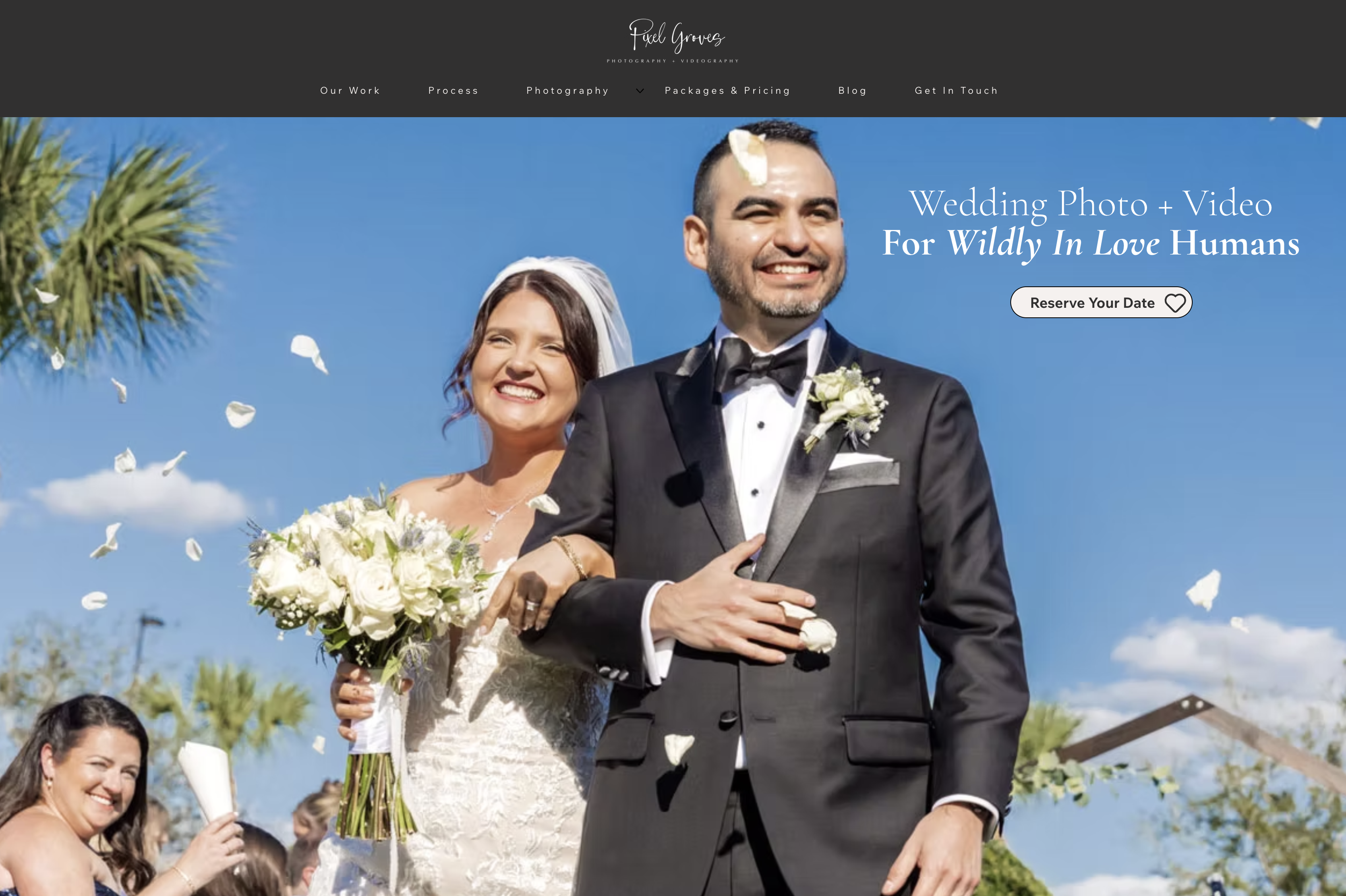
Their videography and photography packages are built for transparency, with defined deliverables, written timelines, and no surprises on delivery day. Every Pixelgroves team comes prepared with backup equipment, a coordinated workflow between cinematographers and photographers, and a pre-wedding consultation designed to capture what matters most to you. Whether your wedding is an intimate beachside ceremony or a multi-day cultural celebration, they have the experience and the style range to tell your story the way it deserves to be told. Reach out to start a conversation about your day.
FAQ
What should I ask a wedding videographer before booking?
Ask for two to three full-length wedding films, clarify who will be filming on the day, and confirm their audio backup plan for vows and speeches. Always get deliverables, timelines, and contingency plans in writing before signing.
How do I know if a videographer’s style matches mine?
Watch complete films, not just highlight reels. If you feel emotional watching their work and recognize your own sense of how your wedding should feel, that is a strong match. Pay attention to pacing, color tone, and how they handle quiet, unscripted moments.
How far in advance should I book a wedding videographer?
Most sought-after teams book 12 to 18 months out, especially for peak wedding season dates. If you have a specific date in mind, start your search as soon as you have a venue confirmed.
What does a professional wedding video typically cost?
Pricing varies significantly by market, crew size, and experience level. Most professional wedding video services range from $2,500 to $7,000 or more for full-day coverage with multiple deliverables. Breaking down cost per deliverable gives you a clearer picture of value than comparing totals alone.
Should I bundle videography and photography with one company?
Bundling can improve coordination and visual consistency across your photos and videos. When both teams operate under the same workflow, they naturally avoid blocking each other and produce a more cohesive final result.
Recommended
Comments