Why Wedding Video Complements Photography for Couples
Updated: 2 days ago
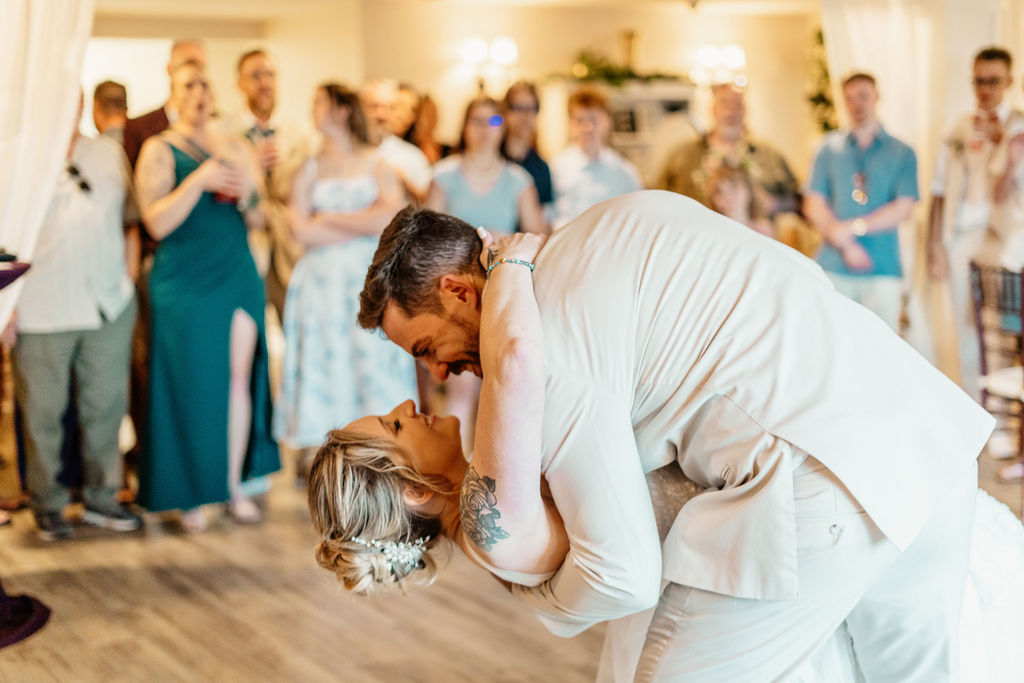
Wedding video complements photography by capturing motion, sound, and atmosphere that still images physically cannot record. A photograph freezes a single frame with precision. A video plays the entire scene, complete with your partner’s voice cracking during vows, the crowd erupting during a best man’s speech, and the exact song that carried you through your first dance. Together, wedding photography and videography form a complete sensory record of your day. Cognitive science now confirms what couples have felt intuitively for years: static and dynamic media serve different memory functions, and combining them produces richer, more emotionally resonant recollection than either medium alone.
Why wedding video complements photography in ways that matter
Video and photography are not competing formats. They are two instruments playing the same song. Where photography excels at precision, video excels at continuity. Where a photo captures the exact expression on your mother’s face during the ceremony, a video captures the three seconds before and after that expression, giving it context and emotional weight.
Surveys confirm that couples who hire videographers consistently cite the ability to relive sound, movement, and atmosphere as the primary reason they value the footage. That is not a small thing. Sound carries emotional memory in a way that visuals alone cannot replicate. Hearing your partner say “I do” in their actual voice, ten years after the wedding, triggers a different and deeper response than seeing a photograph of the same moment.
The industry term for this combined approach is “dual-media wedding documentation,” though most couples and vendors simply call it photo and video packages. Understanding why the two formats differ helps you make smarter decisions about how to invest in both.
How video captures motion and emotion that photos cannot
Video does three things that photography structurally cannot: it records time passing, it records sound, and it records movement. These are not minor additions. They are the difference between a memory and a re-experience.
Consider the moments that define a wedding day:
Vows and vocal tone. Audio recordings in video preserve the exact pitch, tremor, and pacing of spoken words. A photograph of someone crying during vows is moving. Hearing the voice that caused those tears is something else entirely.
The first dance. A still image captures one position in a dance. Video captures the full arc: the nervous start, the moment you both relax, the whispered conversation no one else hears.
Speeches and reactions. The laughter, the gasps, the table of college friends losing it at a well-timed joke. These are temporal events. They require time to exist, and video is the only format that records time.
Atmosphere and energy. The hum of a reception room, the sound of clinking glasses, the DJ’s transition into your favorite song. Video captures the ambient world that surrounds your posed moments.
Video style choices also matter significantly. Cinematic videography uses deliberate framing, color grading, and music to create a film-like experience. Documentary videography prioritizes candid capture with minimal direction. Knowing which style fits your personality before you book determines whether your final film feels like your wedding or a generic highlight reel.
Pro Tip: Ask potential videographers to show you a full-length film, not just a highlight reel. Highlight reels are edited to music and look impressive universally. A full film reveals how the videographer handles quiet moments, transitions, and unscripted emotion.
What photography captures that video never quite matches
Photography’s strength is not what it records. It is what it isolates. A skilled photographer compresses an entire emotional moment into a single frame, removing everything irrelevant and keeping only what matters.
Professional wedding photography focuses on refined composition, lighting, color, and the precise micro-expressions that define a moment. These are details that video, running at 24 or 30 frames per second, often blurs past. The slight smile before a kiss. The way your grandmother holds your hand. The detail work on the back of your dress in afternoon light.
Photography also wins on accessibility and longevity:
Prints and wall art. You cannot hang a video on your wall. A 20x30 print of your ceremony, framed in your living room, becomes part of your daily environment in a way that a digital file never does.
Sharing and gifting. Photos are easy to send, print, and give to family members. A grandmother in her eighties is far more likely to treasure a printed photo album than a digital video link.
Quick emotional access. Flipping through a photo gallery takes minutes. Rewatching a wedding film takes an hour. For everyday emotional connection to your wedding day, photos are faster and more immediate.
Detail memory. Static images better engage facial identity memory and detailed feature recognition than video under typical viewing conditions. Your brain processes and stores a photograph differently than a moving image.
Pro Tip: When evaluating photographers, look at images taken in low light and during unscripted moments. These two conditions separate experienced photographers from technically competent ones. Gear matters less than the ability to read a room and anticipate a moment.
What science says about memory and why both formats matter
The case for combining wedding photography and videography is not just emotional. It is cognitive. A 2026 Frontiers in Cognition study found that videos enhance recall of event actions and temporal sequences more effectively than static images alone. The same research confirmed that static images outperform video for facial identity recognition and detailed feature memory.
“Static and dynamic media serve complementary memory functions, enhancing emotional and factual recall.” — Frontiers in Cognition, 2026
This means that when you watch your wedding film, your brain retrieves the sequence of events, the emotional arc, and the sensory atmosphere of the day. When you look at your wedding photos, your brain retrieves specific faces, expressions, and visual details with greater precision. Neither format triggers the full picture on its own.
Memory type | Best triggered by | Example |
Action and sequence recall | Video | Remembering the order of ceremony events |
Facial identity and detail | Photography | Recognizing specific expressions and styling |
Emotional atmosphere | Video | Reliving the energy of the reception |
Compositional and visual detail | Photography | Noticing the light on a specific moment |
Temporal narrative | Video | Understanding how the day unfolded over time |
Couples differ in memory style as well. Some people are primarily visual and find that photographs trigger the strongest emotional responses. Others are auditory and aural, and hearing the music or voices from their wedding day unlocks memories that photos cannot reach. Booking both formats is the only way to cover both memory types.
How to plan for both photography and videography without the stress
Integrating both media types into your wedding day requires planning, but it does not require doubling your stress. The key is treating them as a unified storytelling system from the start, not two separate vendor relationships.
Book from the same studio when possible. Studios like Pixelgroves that offer combined photo and video packages coordinate their teams internally. This eliminates the most common problem couples face: a photographer and videographer who have never worked together and spend the day getting in each other’s shots.
Share your shot list with both teams. A must-have photo list and a must-capture video list should overlap and inform each other. If a specific family grouping matters for photos, it likely matters for video too.
Understand the timeline implications. Video requires more setup time for certain shots, particularly ceremony coverage and speeches. Build 15 to 20 extra minutes into your ceremony timeline to allow both teams to position properly.
Consider partial videography if budget is tight. A ceremony-only video package captures the highest-value audio moments (vows, readings, speeches) at a lower cost than full-day coverage. Pair this with full-day photography for a balanced approach.
Review combined portfolios before booking. Pixelgroves’ portfolio shows how photo and video work together across real weddings. Look for visual consistency between the two formats. If the photography is warm and candid but the video is cold and cinematic, the final products will feel disconnected.
Combining video and photo documentation produces measurably higher couple satisfaction than either format alone. The most common regret among couples who skipped videography is not about cost. It is about the voices and moments they cannot recover.
Why I think skipping video is the one decision couples regret most
I have worked with hundreds of couples over the years, and the pattern is consistent. Couples who skipped photography and only got video almost never express regret. Couples who skipped video and only got photography frequently do, often within the first year after the wedding.
The reason is not that video is more important than photography. It is that photographs are everywhere in our daily lives. We know how to value them. We frame them, share them, and display them. Video feels optional until the day you want to hear your partner’s voice saying your vows, or you want to show your children what the room felt like when you walked down the aisle.
I also think the memory science angle is underused in how couples make this decision. Most people book based on budget and aesthetics. Very few stop to ask: how do I actually retrieve memories? Am I someone who is moved more by a photograph or by a song? Joanna Kustra’s Reminiscence project explores exactly this question, examining how static and dynamic images interact with personal memory of beauty moments. It is worth ten minutes of your time before you finalize your vendor decisions.
The couples I have seen get this right treat photography and videography as one decision, not two. They choose teams that communicate, styles that align, and packages that cover the full arc of the day. The result is not just more content. It is a more complete version of a memory they will carry for the rest of their lives.
— Kellie
Capture your full story with Pixelgroves
Pixelgroves holds the 2025 Best of Florida Wedding Photographer Award and offers fully integrated photo and video packages designed so both teams work as one unit on your wedding day.
[
Every Pixelgroves package is built around the idea that your wedding story deserves both the precision of photography and the motion of film. You can explore photography styles that match your vision, review pricing and packages that combine both services, and browse real wedding work in the Pixelgroves portfolio. Consultations are available to help you plan both formats together from the start. Reach out to the Pixelgroves team at pixelgroves.com to start building your complete wedding story.
Key takeaways
Wedding video and photography together produce a fuller, more emotionally accurate memory of your wedding day than either format can deliver alone.
Point | Details |
Video captures what photos cannot | Sound, motion, and temporal sequence are exclusive to video and trigger distinct memory types. |
Photos excel at detail and access | Still images outperform video for facial identity memory and are easier to print, share, and display daily. |
Cognitive science supports both | A 2026 Frontiers in Cognition study confirms video and photos activate different and complementary memory functions. |
Book teams that work together | Combined studio packages eliminate coordination problems and produce visually consistent final products. |
Regret favors skipping video | Couples who skip videography report higher post-wedding regret than those who skip photography alone. |
FAQ
Why does wedding video complement photography?
Wedding video captures motion, sound, and atmosphere that photography cannot record, while photography isolates precise expressions and details that video blurs past. Together they cover every dimension of memory retrieval, both auditory and visual.
What are the main benefits of wedding videos over photos?
Video preserves vocal tone during vows, ambient sound, movement, and the temporal sequence of events. Surveys show couples most value the ability to relive sound and atmosphere, which photographs cannot provide.
How do wedding videos enhance photos scientifically?
A 2026 Frontiers in Cognition study found that dynamic video cues improve recall of actions and event sequences, while static photos improve facial identity and detail memory. Using both formats activates more complete memory retrieval.
Is it worth hiring both a photographer and videographer?
Yes. Combining both formats produces higher couple satisfaction and covers both visual and auditory memory types. If budget is limited, a ceremony-only video package paired with full-day photography is a practical middle ground.
What videography style should couples choose?
Cinematic videography suits couples who want a polished, film-like final product. Documentary style suits couples who want candid, unscripted capture. Choosing the right style depends on your personality and how you want to experience the footage years later.
Recommended

Comments