Why Tears on Wedding Day Are Photographed
Updated: 2 days ago
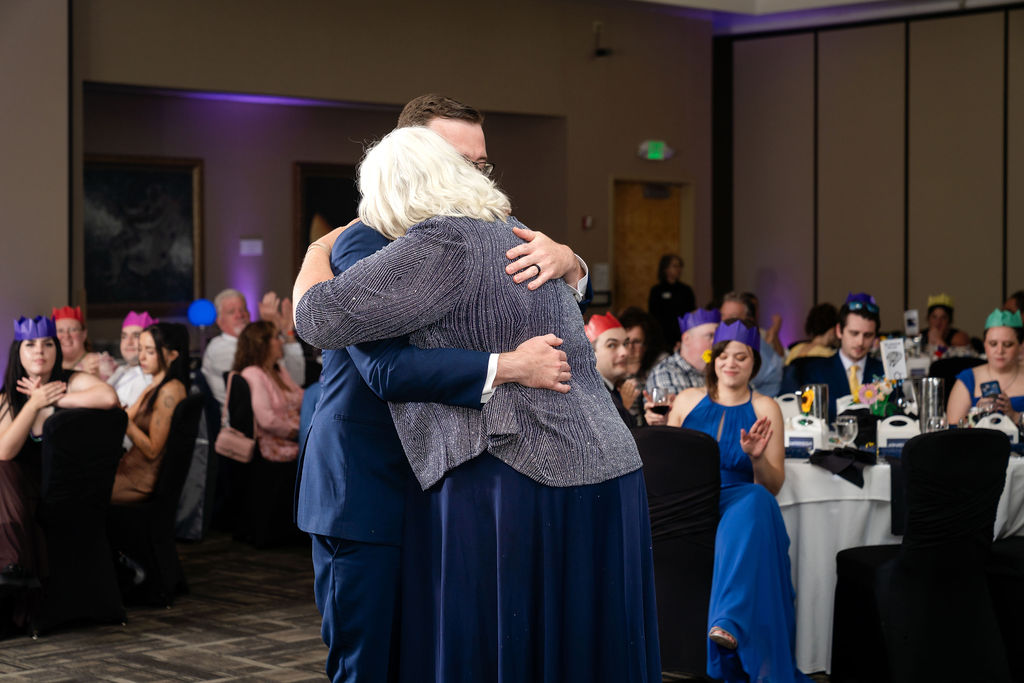
Tears on a wedding day are photographed because they reveal authentic emotion that no posed smile can replicate. This is the core principle behind emotional wedding photography: genuine feeling creates images that last a lifetime. Viral wedding clips, from a groom breaking down as his bride walks the aisle to a father weeping while giving his daughter away, consistently draw more viewer engagement than any staged portrait. Tearful images rank as among the most engaging content in wedding-related social media posts. That pattern tells you something important: tears are not an awkward accident. They are the story.
Why tears on wedding day are photographed: the emotional truth
Tears at weddings carry meaning that goes far beyond sadness. They are the body’s honest response to joy, love, gratitude, and the weight of a life-changing moment. Understanding what drives those tears helps couples see them as something worth preserving, not hiding.
Tears of joy and overwhelming love
Tears of joy are the most recognized type at weddings. They surface when a groom sees his partner walk down the aisle, when a bride hears her vows spoken aloud, or when a parent realizes their child has found a life partner. Genuine emotional tears get higher viewer affinity than staged photos across social media platforms. That response exists because joy tears communicate a universal experience: love that is too big to contain.
Tears rooted in family bonds and nostalgia
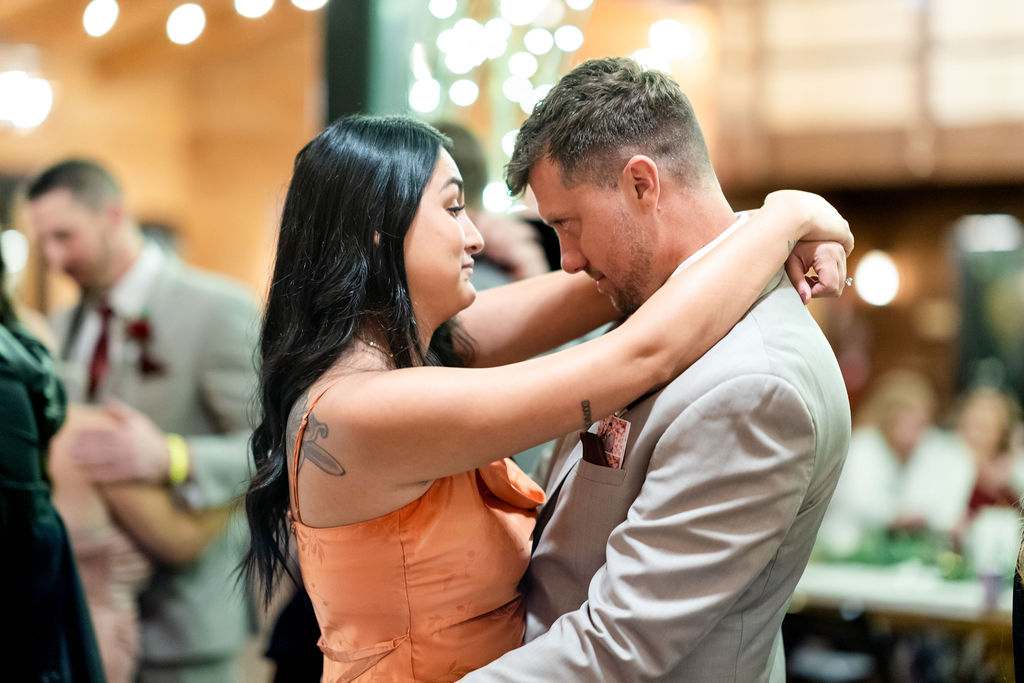
Not every tear at a wedding belongs to the couple. Parents, siblings, and close friends often cry because they feel the full weight of the transition happening in front of them. A father giving his daughter away, as seen in a widely shared video of a Nigerian bride’s father breaking down during the ceremony, shows how deeply family bonds surface in these moments. These tears carry nostalgia, pride, and a bittersweet awareness that life is changing.
Bittersweet and reflective tears
Some tears at weddings are quieter and more complex. A couple may cry thinking of a loved one who could not be there. A parent may feel the bittersweetness of watching a child leave home. Wedding moments range from joyful breakthroughs to quietly reflective tears, each telling a unique story. Photographers who recognize this range capture a fuller, more honest version of the day.
Pro Tip: Tell your photographer before the wedding which moments are likely to bring tears. Mention the first look, the vows, the father-daughter dance, or any tribute to absent loved ones. That heads-up lets them position themselves without missing a second.
Why do photographers prioritize capturing tears?
Tears are the most reliable signal that something real is happening. Photographers prioritize them because they transform a wedding album from a collection of pretty pictures into a visual story with emotional depth.
Here is why experienced photographers treat tearful moments as the most valuable shots of the day:
Tears confirm authenticity. A candid tear cannot be faked the way a smile can. When a viewer sees it, they believe the emotion is real. That belief creates a connection between the image and anyone who looks at it later.
Tears create empathy. Tearful images promote empathy and shared happiness, which is why they perform so well when couples share their wedding galleries online. Viewers feel something because the subjects felt something first.
Tears distinguish candid work from posed work. Posed portraits show how a couple looked. Candid tears show how they felt. The difference between those two things is the difference between a record and a memory.
Tears are shareable. Viral wedding content almost always features a genuine emotional reaction. A groom’s tears when he first sees his bride, a mother’s quiet cry during the ceremony, a child’s confused but tender expression during the vows: these are the frames people screenshot and send to friends.
Tears add narrative depth. Photographers value tearful candid moments because they create lasting, meaningful memories that posed smiles alone cannot replicate.
Pro Tip: Skilled photographers use a longer focal length lens, typically 85mm or 135mm, to capture tears from a respectful distance. This keeps them invisible during the moment while still getting a tight, emotionally powerful frame.
Candid, unobtrusive techniques allow photographers to capture tears responsibly, emphasizing authenticity over posed perfection. The best photographers blend into the background so completely that couples forget they are being photographed at all.
How can couples prepare for emotional moments in their photos?
Preparation is the difference between couples who have a gallery full of genuine emotion and those who have a gallery full of stiff smiles. The goal is not to manufacture tears. The goal is to create the conditions where real emotion can surface freely.
Communicate with your photographer. Couples who share emotional expectations openly with their photographer are more likely to capture genuine tearful moments that reflect their unique story. Schedule a pre-wedding conversation specifically about which moments matter most to you emotionally.
Give yourself permission to cry. Many couples, especially grooms, feel pressure to hold it together. Releasing that pressure is one of the most useful things you can do before your wedding day. Tears are not a loss of composure. They are evidence of how much this moment means.
Know your emotional flashpoints. Vows, the first look, the father-daughter dance, and the moment you see your partner for the first time are all high-probability tear moments. Knowing this in advance helps you stay present instead of bracing against the feeling.
Plan your makeup with tears in mind. Tear-friendly skincare and makeup help couples look and feel confident during emotional moments without worrying about their appearance. Waterproof mascara and setting spray are practical choices, not vanity. They let you cry freely without the distraction of wondering how you look.
Choose a photographer who specializes in candid work. Not every photographer has the instinct or the patience to wait for emotional moments. Look for portfolios that include genuine tearful frames, not just polished portraits.
Pro Tip: Ask your photographer to show you examples of tearful moments from past weddings during your consultation. Their reaction to those images will tell you immediately whether they value emotional authenticity or prefer controlled, posed work.
What types of wedding tears exist and how are they photographed?
Not all tears look the same, and skilled photographers adjust their approach based on the type of emotion they are witnessing. The table below outlines the main categories and how they translate into images.
Tear type | Emotional context | Photographic approach |
Tears of joy | Groom seeing bride, vow exchange, first dance | Tight close-up, warm light, wide aperture for soft background |
Nostalgic tears | Parent giving child away, family tribute moments | Medium shot that includes both subject and context |
Bittersweet tears | Tribute to absent loved ones, end-of-night reflection | Quieter composition, softer tones, space around the subject |
Overwhelmed tears | Unexpected emotion, surprise speeches, reunion moments | Fast reaction shot, candid framing, minimal cropping |
Lighting plays a major role in how tears read on camera. Natural window light or soft outdoor light catches the shimmer of a tear on a cheek in a way that harsh flash never does. Photographers who work primarily in natural light tend to produce the most emotionally resonant tear images.
Timing matters just as much as technique. The moment just before a tear falls, when the eyes are glassy and the expression is raw, is often more powerful than the tear itself. Experienced photographers anticipate that moment rather than react to it.
Respect is the foundation of all of this. Good photographers never linger on grief or exploit private pain. They capture what is offered freely and step back when the moment calls for privacy.
Key Takeaways
Tears on a wedding day are photographed because they are the most honest evidence of love, and every couple deserves a record of what that love actually felt like.
Point | Details |
Tears signal authenticity | Candid tears cannot be staged, making them the most credible emotional evidence in any wedding gallery. |
Communicate with your photographer | Share your emotional flashpoints before the day so your photographer can anticipate and capture them. |
Tear type shapes technique | Joyful, nostalgic, and bittersweet tears each call for different lighting, framing, and timing approaches. |
Makeup preparation matters | Waterproof, tear-resistant products let you cry freely without worrying about your appearance in photos. |
Candid beats posed | Images that capture genuine emotion consistently outperform posed portraits in both personal meaning and social engagement. |
What I’ve learned from years of watching people cry at weddings
Kellie here. After witnessing hundreds of wedding ceremonies, I can tell you with certainty that the couples who try hardest not to cry are the ones who end up with the least interesting albums. There is something about bracing against emotion that flattens a face. The couples who let themselves feel everything, who laugh through their tears and squeeze each other’s hands too hard, those are the ones whose photos stop you cold when you flip through them years later.
The most memorable frame I have ever seen from a wedding was not the kiss or the first dance. It was a groom standing at the altar, hands clasped, jaw trembling, watching his partner walk toward him. He was not performing. He was just completely undone by love. That image said everything a wedding is supposed to say, and it said it without a single word.
What I have also learned is that trust between a couple and their photographer makes all of this possible. When couples feel safe, they stop monitoring themselves. They stop wondering how they look and start actually living the moment. That is when the real images happen. Choosing a photographer who earns that trust before the wedding day is not a luxury. It is the whole game.
Vulnerability is not weakness in wedding photography. It is the raw material that makes the work matter. If you are planning your wedding and you are worried about crying, I want you to reframe that worry. Your tears are not a problem to manage. They are the best thing that will happen to your photos.
— Kellie
Pixelgroves captures the moments that matter most
Pixelgroves has built its reputation on exactly these moments: the ones that cannot be planned, posed, or repeated. As the 2025 Best of Florida Wedding Photographer Award recipient, Pixelgroves brings years of candid storytelling experience to every wedding, with a specific focus on the emotional beats that make each couple’s story unique.
[
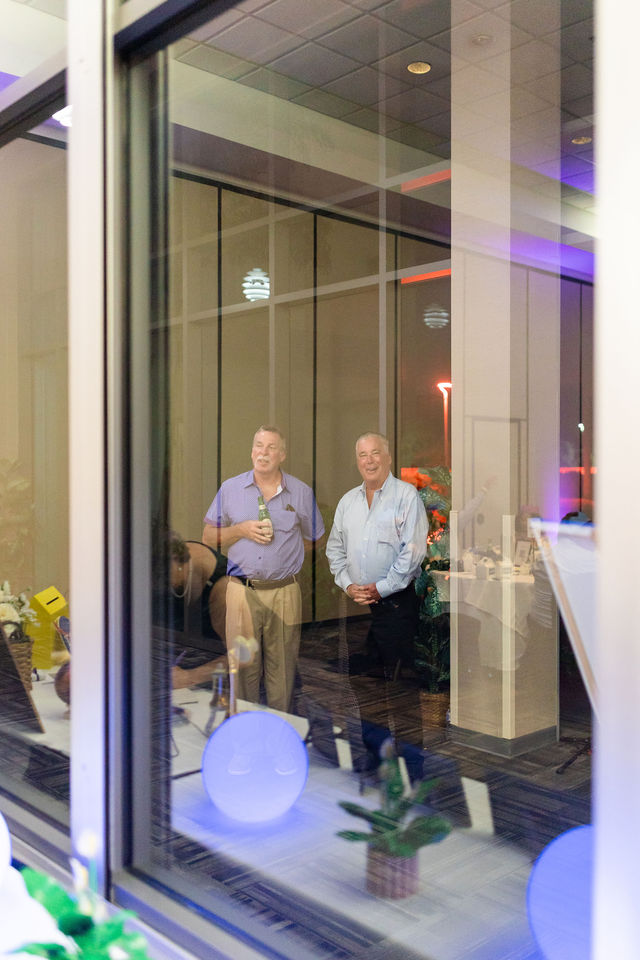
Every Pixelgroves gallery includes the full range of a wedding day’s emotion, from quiet tears during vows to joyful laughter at the reception. Couples who want to see how this approach translates into real images can explore the full range of wedding photography styles available. If you are ready to talk about your day, the Pixelgroves team is ready to listen and make sure nothing goes uncaptured.
FAQ
Why are tears so common at weddings?
Tears at weddings are a natural physical response to intense positive emotion, including joy, love, pride, and nostalgia. The significance of the occasion amplifies feelings that the body expresses through crying.
Do photographers specifically plan to capture tears?
Experienced photographers anticipate emotional moments by learning a couple’s schedule and personal story in advance. Candid techniques allow them to capture tears without interrupting the moment.
Will crying ruin my wedding makeup for photos?
Waterproof mascara and a good setting spray protect most makeup through tearful moments. Tear-friendly makeup guidance helps couples feel confident rather than self-conscious during emotional peaks.
Are tears only expected from the bride?
Tears appear across the entire wedding party, including grooms, parents, siblings, and guests. Some of the most powerful wedding images capture a father’s tears or a groom’s raw reaction at the altar.
How do I choose a photographer who captures emotional moments well?
Review portfolios specifically for candid tearful frames, not just posed portraits. Ask photographers directly how they approach emotional moments and whether they use longer lenses to stay unobtrusive during the ceremony.
Recommended

Comments