What Is Black and White Wedding Photography?
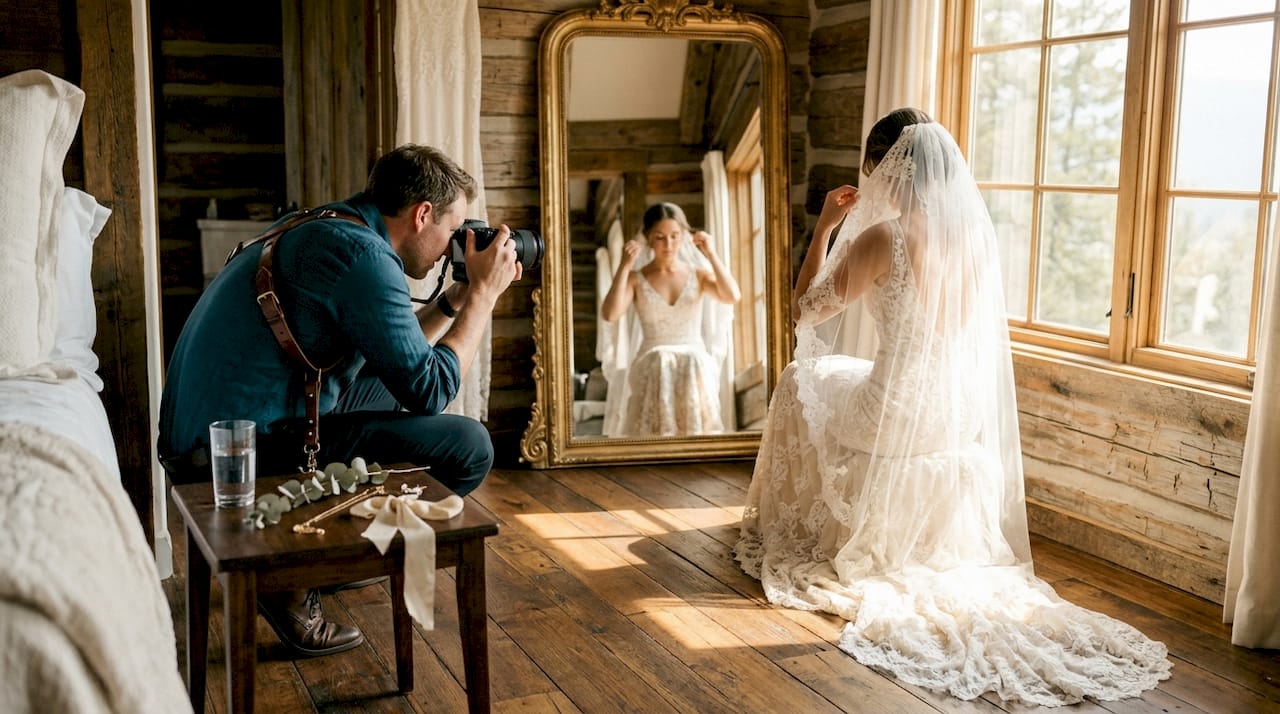
Most couples assume black and white wedding photos are what you get when something goes wrong with the lighting. That assumption is completely backwards. What is black and white wedding photography, really? It’s one of the most intentional, technically demanding, and emotionally powerful choices a couple can make for their wedding album. It strips away everything that doesn’t matter and leaves only what does: the look on your partner’s face when you walk down the aisle, the grip of intertwined hands, the quiet tears nobody planned for. This article breaks down the art, the technique, and the real reasons couples and photographers reach for monochrome on the most important day of their lives.
Table of Contents
Key Takeaways
Point | Details |
Not a filter, a full art form | Black and white photography requires intentional tonal planning, not just desaturation of a color image. |
Emotion over distraction | Removing color forces the viewer’s eye to land on expression, light, and connection. |
Technique shapes posing | Monochrome changes how photographers think about lighting, contrast, and composition at your wedding. |
Film tradition meets digital control | Modern tools like Lightroom give photographers far more precision than the film era ever allowed. |
Strategic mix wins | Combining color and black and white images in your album creates a richer, more complete visual story. |
What is black and white wedding photography: the art and the craft
Black and white wedding photography is the practice of capturing wedding moments entirely in monochrome, using tonal contrast, light, shadow, and texture to tell a story that color would actually interfere with. It’s not a style you apply after the fact. The best photographers see in monochrome and build their compositions around tones rather than hues, adjusting how they frame a scene based entirely on how it will read in grayscale.
The difference between black and white and color photography goes much deeper than a missing color channel. Color images pull the eye to vivid details: a bright floral centerpiece, a red bridesmaid dress, a golden sunset. Black and white photography pulls the eye to structure. Shape, expression, shadow, and light become the primary language.
Here’s what actually separates a masterful monochrome image from a flat gray one:
Tonal mapping: Digital black and white outcomes are produced by mapping tonal values in the scene to grayscale, not by simply removing color. A blue sky and a gray cloud may look similar in color, but they can be mapped to dramatically different tones in monochrome.
The Zone System: Originally developed by Ansel Adams, the Zone System divides scene brightness into 11 zones from pure black to pure white. Photographers use it to previsualize where each element of the scene will land tonally before they even press the shutter.
Exposure planning: Clipped highlights destroy texture in black and white images. A blown-out white dress loses every fold, every lace detail. Skilled photographers protect that tonal range in camera.
Contrast management: Monochrome photography demands mastering local tonal contrast, which means enhancing luminance differences between adjacent areas without flattening the overall image into muddy gray.
Pro Tip: When reviewing a photographer’s black and white portfolio, look at how their white dress images handle detail in the highlights. If you can see the texture of the fabric, you’re looking at someone who understands exposure for monochrome. If the dress is a bright white blob, move on.
Why choose black and white for weddings
Color is everywhere on a wedding day. Flowers, table linens, bridesmaids’ dresses, guests’ outfits, catering setups. All of that visual noise is beautiful in person. In a photograph, it can become a fight for attention that the emotional subject always loses.
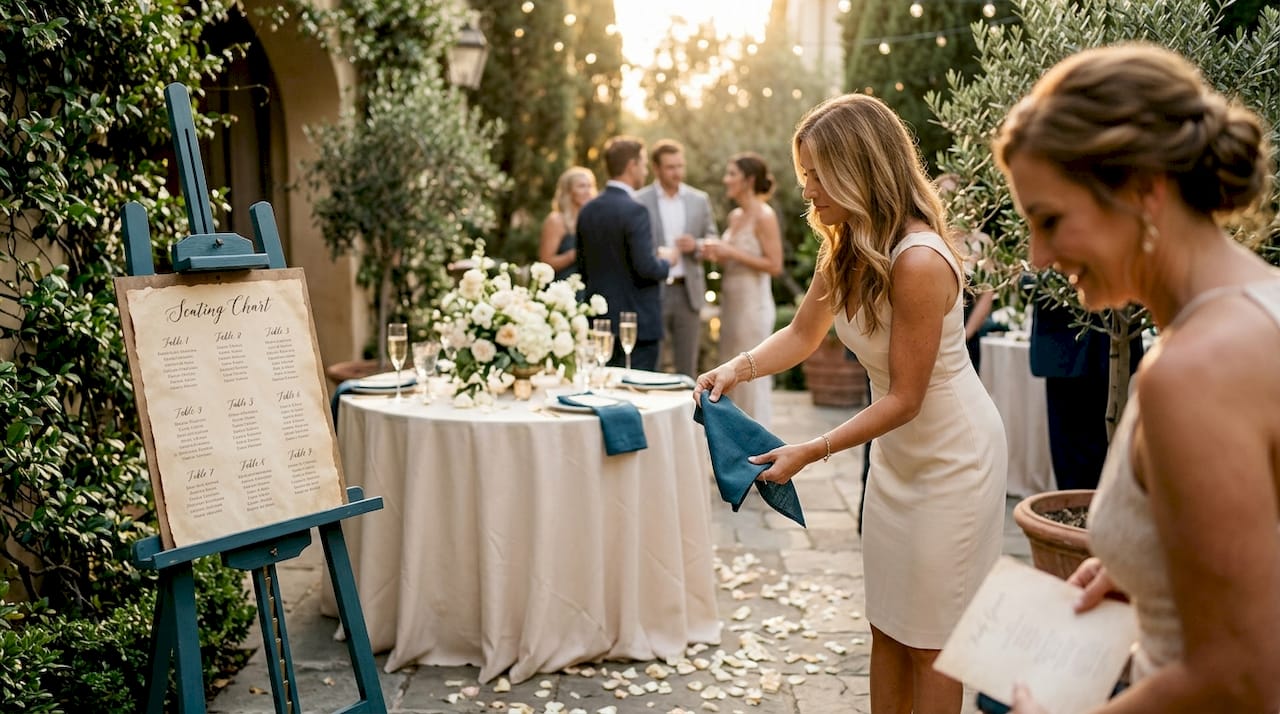
Black and white photos emphasize composition, light, shadow, and texture by stripping away color distractions, which is exactly what makes them so emotionally direct. When there’s no competing yellow tablecloth or mismatched background, your eye goes straight to the couple. It goes to the tears. The laugh. The held breath.
There are specific moments at weddings where monochrome consistently outperforms color:
Ceremony vows: The emotional rawness of these moments translates more powerfully without the visual clutter of a colorful venue.
Candid reception moments: An elderly grandmother wiping her eyes, a flower girl spinning on the dance floor. These don’t need color to land.
Dramatic light situations: Backlit silhouettes, late-afternoon window light, or the deep shadows of a candlelit reception all become stronger without color competing for attention.
Texture-rich details: The tonal depth in wedding dresses and groom’s attire reveals detail hidden in color photos and creates a level of drama that color simply doesn’t achieve.
Beyond individual moments, black and white photography creates a timeless, elegant atmosphere that color photography tied to current trends simply cannot match. A photo from a 1960s wedding in black and white feels just as resonant today as it did then. The same cannot always be said for the avocado-green color palette of a 1970s reception shot.
How black and white affects posing, lighting, and composition
This is where couples often get surprised. Choosing black and white doesn’t just change how your photos look in the final album. It changes how your photographer thinks on the day and, in turn, what they’ll ask you to do.
Here’s how monochrome reshapes the approach from the ground up:
Posing shifts toward shape and form. Without color to create visual separation, the photographer relies on body positioning to define the subjects against their background. Strong silhouettes, dramatic angles, and the negative space around a couple carry more visual weight in black and white.
Lighting becomes the star. Soft directional light that might look flat in a color photo becomes a gorgeous sculpting tool in monochrome. Your photographer may position you near a window or beneath open shade in ways that seem low-key but are calculated for maximum tonal contrast.
Backgrounds matter more, not less. A bright red wall behind a couple is a distraction in color and a tonal disaster in black and white if it merges with the subjects. Photographers scout for tonal separation, not just aesthetic backgrounds.
Expression is everything. Without color drawing the eye elsewhere, the viewer lands entirely on faces. This means your photographer will prioritize catching genuine moments over posed smiles, because authenticity reads far more powerfully in monochrome.
Bad lighting gets a second life. Black and white can transform challenging lighting or distracting color casts into artistic portraits. Harsh midday sun, fluorescent reception halls, and mixed light sources that look muddy in color often resolve beautifully in monochrome.
Pro Tip: Tell your photographer if you love the idea of strong contrast in your black and white images. That preference changes how they’ll position you relative to light sources and affects every editing decision afterward. The earlier that conversation happens, the better your images will be.
Traditional film vs. modern digital conversion
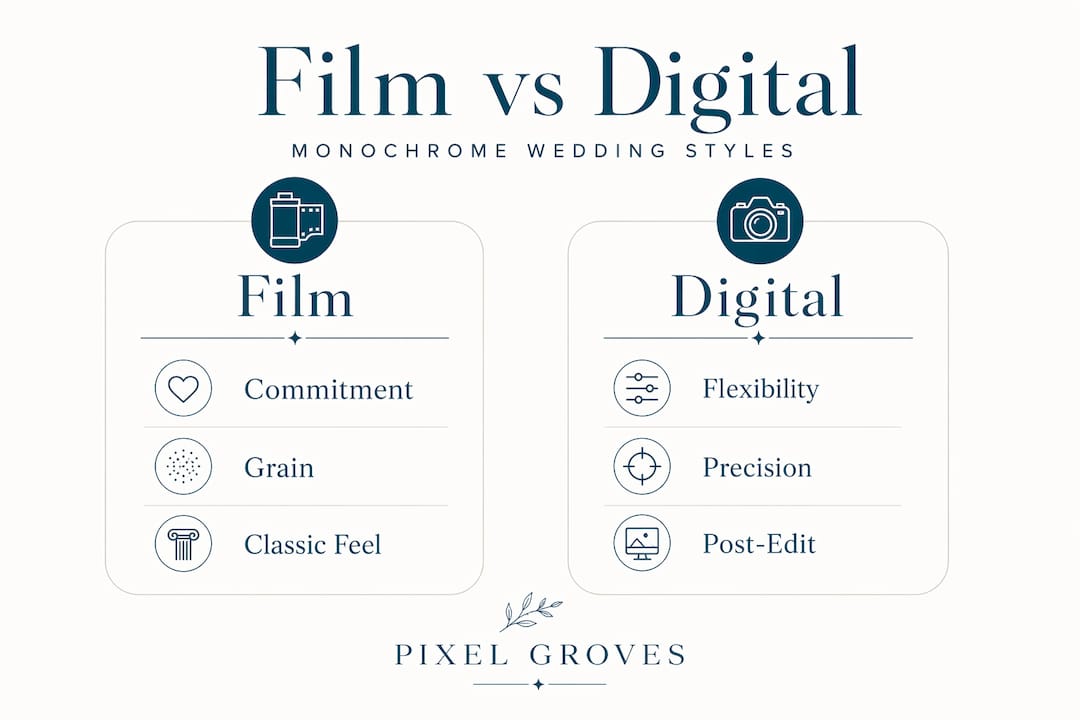
One of the most misunderstood aspects of black and white wedding photography is that “converting to black and white” means clicking a desaturate button. It doesn’t. Not if it’s done well.
Approach | Process | Artistic control | Best for |
Film black and white | Captured on dedicated monochrome film with physical filters | Limited in post; controlled at capture | Purist aesthetic, grain texture |
Digital desaturation | Single-step color removal in editing software | Minimal | Snapshots, not wedding art |
Digital tonal mapping | Color-to-gray mapping sliders in Lightroom or Capture One | High precision per tone | Professional wedding photography |
Zone System-aware editing | Deliberate zonal tonal placement from capture through editing | Maximum creative control | Fine art and editorial wedding work |
The film era forced photographers to commit to black and white at the moment of capture. That constraint demanded discipline. Digital workflows now offer more control than film ever did, but only in the hands of someone who actually uses it. A photographer using Lightroom’s HSL-to-gray channel mixing can independently control how blues, reds, and greens translate to specific gray tones, giving a bride’s ivory dress an entirely different tonal weight than the white marble behind her.
Photographers and couples often combine black and white and color photos strategically to balance emotional impact with vivid detail. The color photos capture the scene as it was. The black and white photos capture how it felt. Both matter.
Practical tips for couples
Getting the most from black and white wedding photography is less about what you wear and more about how you prepare. Here’s what actually makes a difference:
Have the style conversation early. Discuss your vision early with your photographer to agree on the balance of black and white versus color shots. Don’t leave this to post-production guesswork.
Scout for light, not just looks. Ask your photographer to walk your venue with you. Identify the spots where light creates natural drama. Those spots will produce your strongest monochrome images.
Think in contrast when styling. Deep tonal contrast between your attire and the background creates strong black and white images. A dark suit against a light wall, a white dress against aged brick. These work beautifully.
Don’t over-coordinate color. Ironically, wildly matching color schemes often look flat in monochrome. A variety of tones in bridesmaids’ dresses, groomsmen’s attire, and florals tends to produce more interesting gray-scale variety.
Plan for both formats. Choosing black and white for parts of the wedding creates creative contrast with color shots and lets you relive your day through two distinct visual perspectives. Allocate specific moments, such as the ceremony and first dance, for dedicated monochrome coverage.
Consider exploring some creative wedding photography ideas that pair naturally with a black and white approach when planning your shot list with your photographer.
My take on why monochrome still wins
I’ve spent years watching couples flip through their wedding galleries, and there’s a consistent pattern. The color photos get oohs and ahs for the venue, the flowers, the dress. The black and white photos are the ones that make people go quiet.
In my experience, that silence is the whole point. Color is context. Black and white is truth. When you remove the palette, what remains is the actual story: the way he looked at her, the way she held her breath before the doors opened, the moment her father let go of her arm. Those seconds don’t need help from a beautiful sunset or a perfectly decorated table. They carry their own weight.
What couples often overlook is that the best black and white images aren’t rescued from bad lighting situations. They’re planned for. Photographers who genuinely work in this style aren’t converting their rejects. They’re identifying moments in advance where emotion will be the whole frame and building their exposure strategy around that.
My honest advice? Don’t choose black and white because it feels classic or sophisticated, though it is both. Choose it because some moments in your wedding deserve to be stripped of everything except what they actually mean.
— Kellie
Capture your story with Pixelgroves
[

At Pixelgroves, black and white wedding photography isn’t an afterthought. It’s a deliberate, emotionally driven choice we make together with every couple we work with. Winner of the 2025 Best of Florida Wedding Photographer Award, our team understands that monochrome images require a completely different eye at every stage, from how we position you in light to how we handle tonal mapping in the final edit. Whether you want your entire gallery in monochrome or a strategic mix of color and black and white, we’ll build that vision with you from the start. Browse our wedding photography styles to see what’s possible, explore our full portfolio, or check our packages and pricing to start planning your day.
FAQ
What is black and white wedding photography exactly?
Black and white wedding photography is a monochrome approach that uses tonal contrast, light, and shadow to capture emotion and storytelling without the distraction of color. It is a distinct artistic choice, not a filter applied to color images.
Why choose black and white over color for wedding photos?
Black and white removes visual noise from a busy scene and directs attention to expression, connection, and mood. It creates a timeless quality that color photography tied to current trends cannot replicate.
Does black and white photography work for all wedding styles?
Yes. Monochrome adapts to every setting, from outdoor garden ceremonies to urban venues, because its power comes from light and emotion rather than color palette or decor.
How do photographers create high-quality black and white wedding images?
Skilled photographers use tonal mapping tools in software like Lightroom to independently control how each color translates to gray, rather than simply desaturating. Exposure planning at capture is equally critical.
Should my whole wedding album be in black and white?
Most photographers recommend a strategic mix. Color photos capture the scene’s visual richness while black and white photos capture the emotional core. Together, they tell a more complete story of your day.
Recommended
Comments